Skip navigation
Magazine
Issues
Contributors
Archive
Kiosk
Articles
Contributors
Archive
Books
Activities
Events
Projects
Exhibitions
Shop
Subscribe
Individual
Institutional
Preview an issue
FAQ
Support
Donate
Benefactors
Limited editions
Account
Dashboard
Submissions
Guidelines
About
About us
About Cabinet
Staff
Internships
Jobs
Press about us
Privacy and legal
Contact
Contact us
Visit us
Advertise
Advertise with Cabinet
Rentals
Rent our event space
Rent a desk at our office
Distribution
Where to buy
Connect
Instagram
Twitter
Facebook
RSS
Join our mailing list
Spottings
Search
Magazine
Issues
Contributors
Archive
Kiosk
Articles
Contributors
Archive
Books
Activities
Events
Projects
Exhibitions
Shop
Subscribe
Individual
Institutional
Preview an issue
FAQ
Support
Donate
Benefactors
Limited editions
Account
Dashboard
Submissions
Guidelines
About
About us
About Cabinet
Staff
Internships
Jobs
Press about us
Privacy and legal
Contact
Contact us
Visit us
Advertise
Advertise with Cabinet
Rentals
Rent our event space
Distribution
Where to buy
Connect
Instagram
Twitter
Facebook
RSS
Join our mailing list
Spottings
Search
Cabinet
Magazine
Kiosk
Books
Activities
Shop
Subscribe
Donate
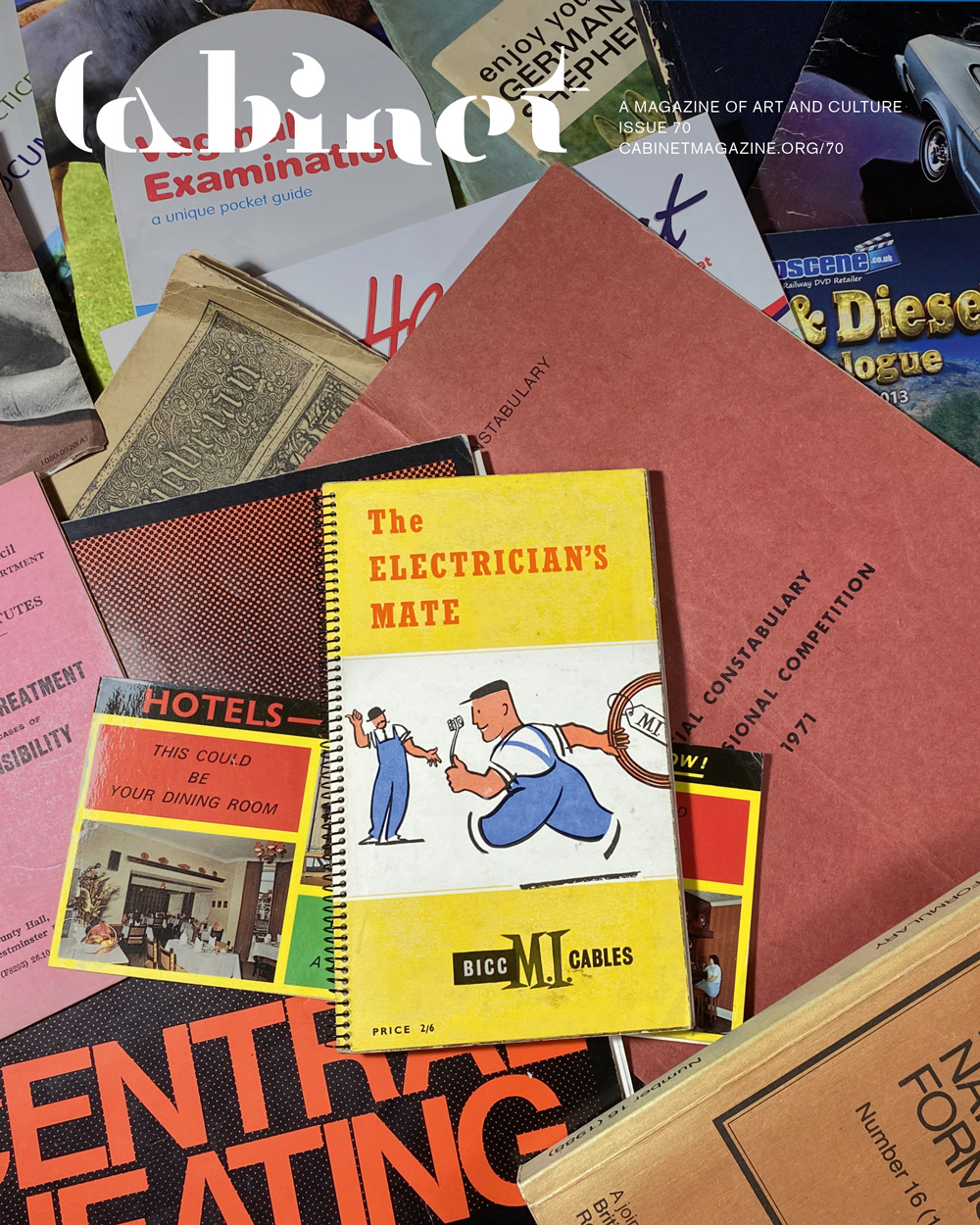
ISSUE 70
The First Tomato to Know Everything
Sally O’Reilly
On gray literature and Webster’s Timeline History books
READ MORE
ISSUE 71
Defeat as Method
Shahram Khosravi
Thinking from within the ruins
READ MORE
CURRENT ISSUE
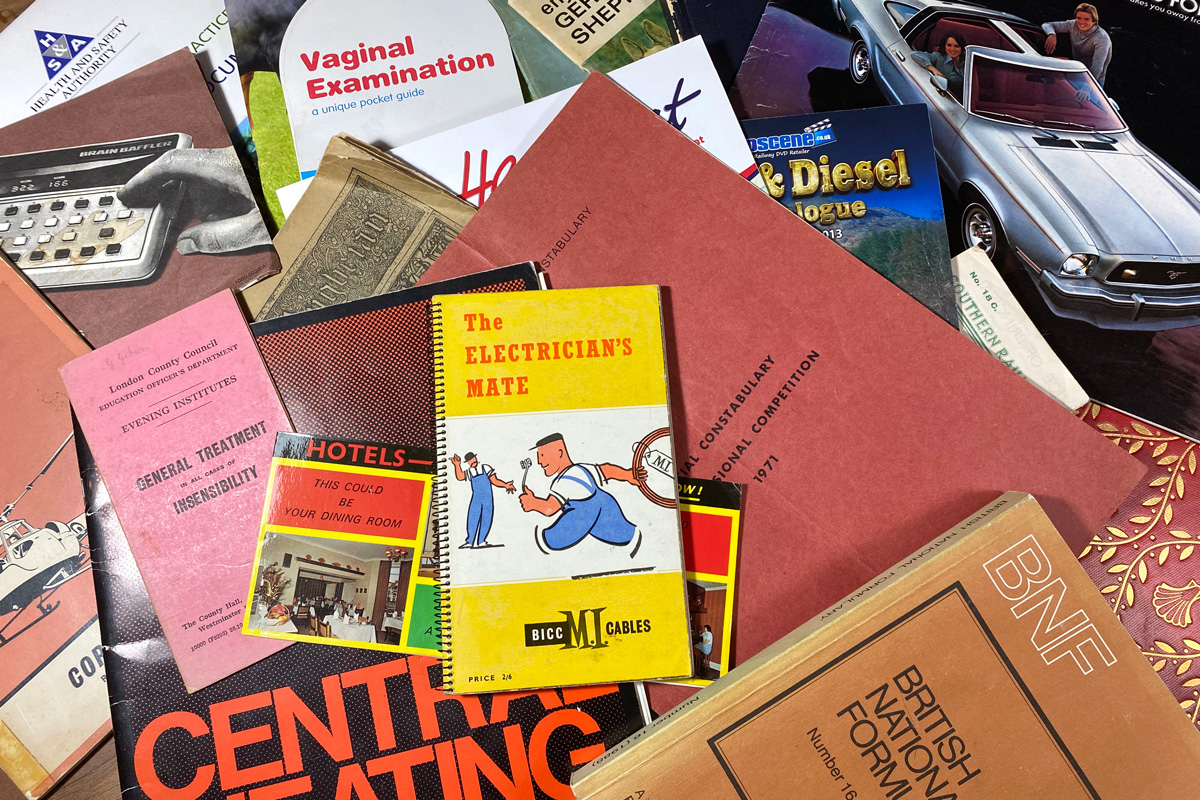
ISSUE 70 / Gray Literature
featuring Sally O’Reilly, John Smith, David Eggleton, Klara Kofen, and more…
READ MORE
ISSUE 69
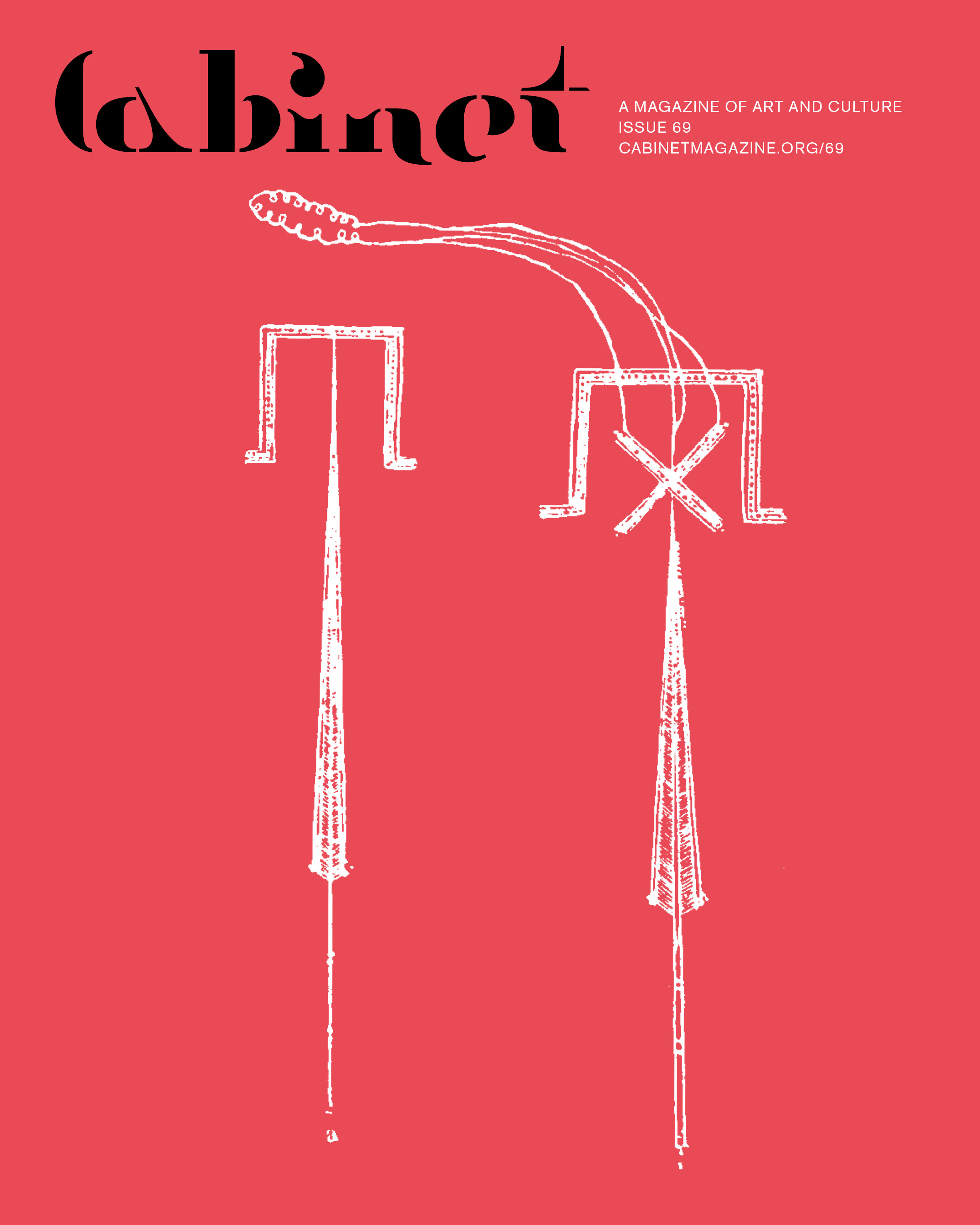
ISSUE 69
featuring Adam Broomberg, Rafael Gonzalez, James G. Harper, Craig Jones, Lisa A. Kirschenbaum, Reed McConnell, Philip W. Scher, and more
READ MORE
ISSUE 71
Inciting Genocide: An Interview with Michael Sfard
Sina Najafi, George Prochnik, and Michael Sfard
The legal case against Israel’s Channel 14
READ MORE
ISSUE 71
Subdivided Memory
Sanders Isaac Bernstein
Sinti and Roma in German
Erinnerungskultur
READ MORE
ISSUE 69
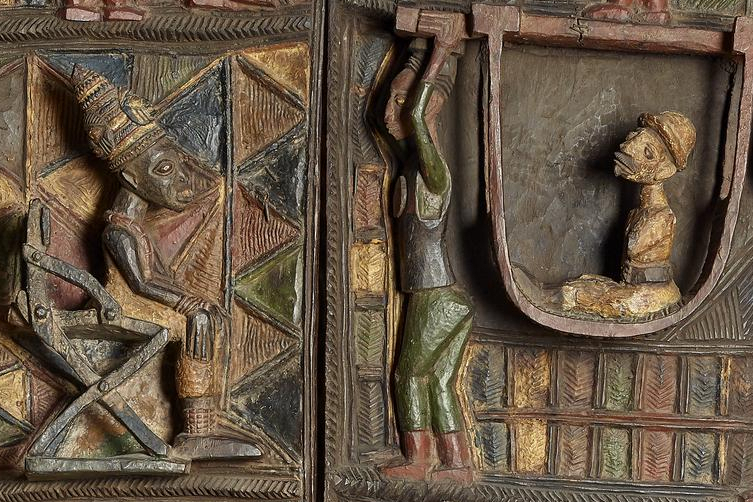
Looking Back at the White Man
James G. Harper and Philip W. Scher
The story of Julius Lips
READ MORE
ISSUE 69
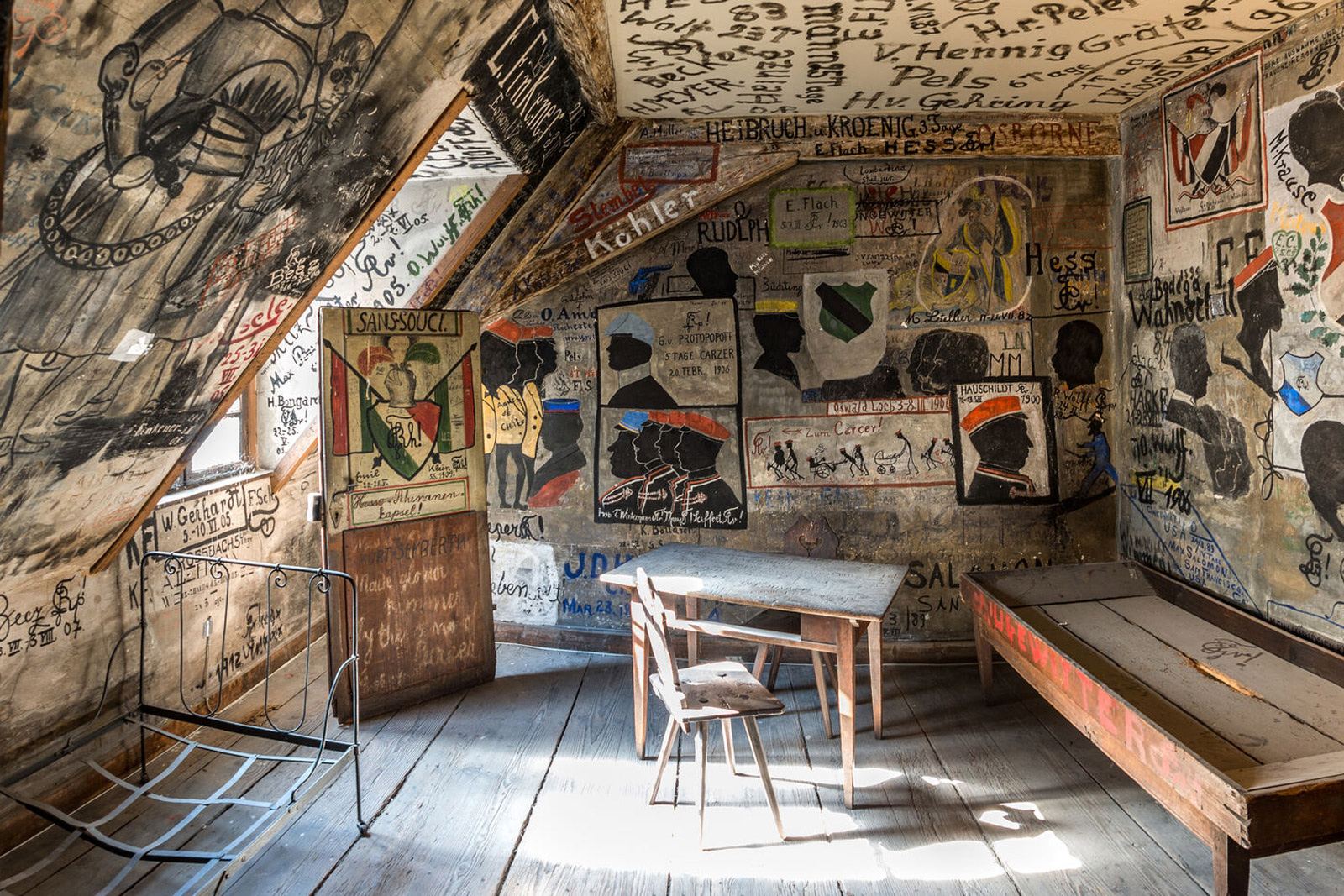
Academic Discipline
Reed McConnell
A history of prisons and privilege at German universities
READ MORE
ISSUE 71
Against Insularity
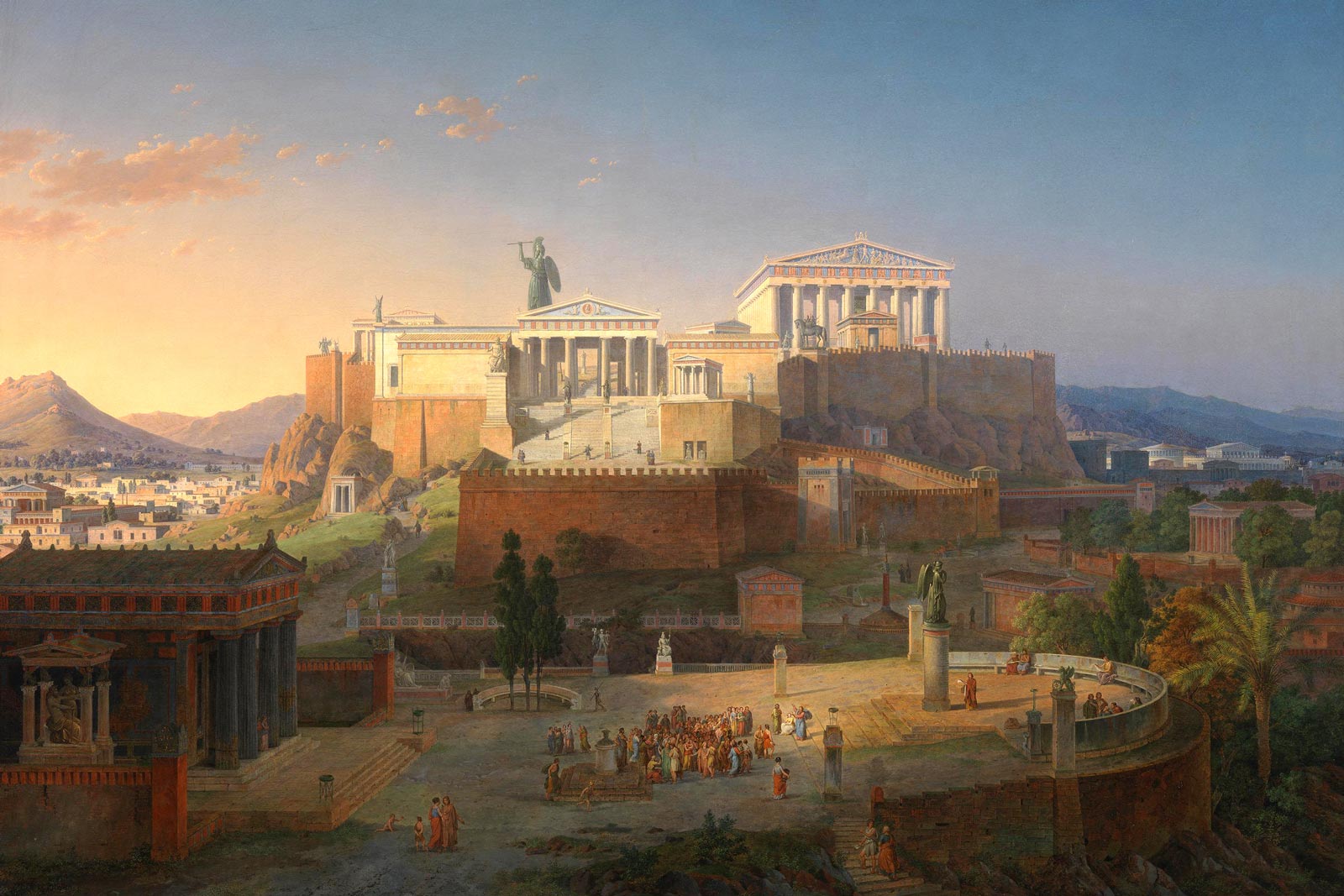
McNeil Taylor
Hellenism, Zionism, and the Greek archipelago
READ MORE
ISSUE 68
Dolls and Idols
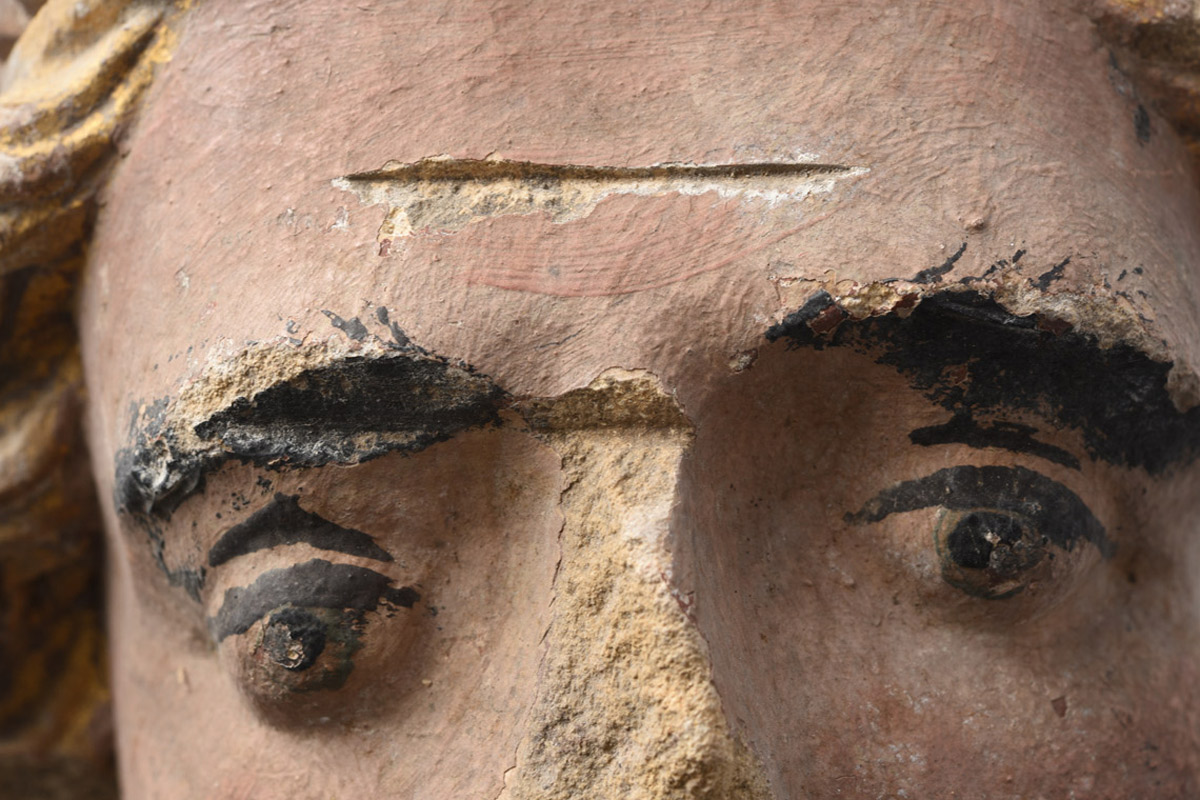
Joe Moshenska
The iconoclasm of child’s play
READ MORE
ISSUE 68
Artist Project / Embassies and Consulates
Heman Chong
READ MORE
BOOKS
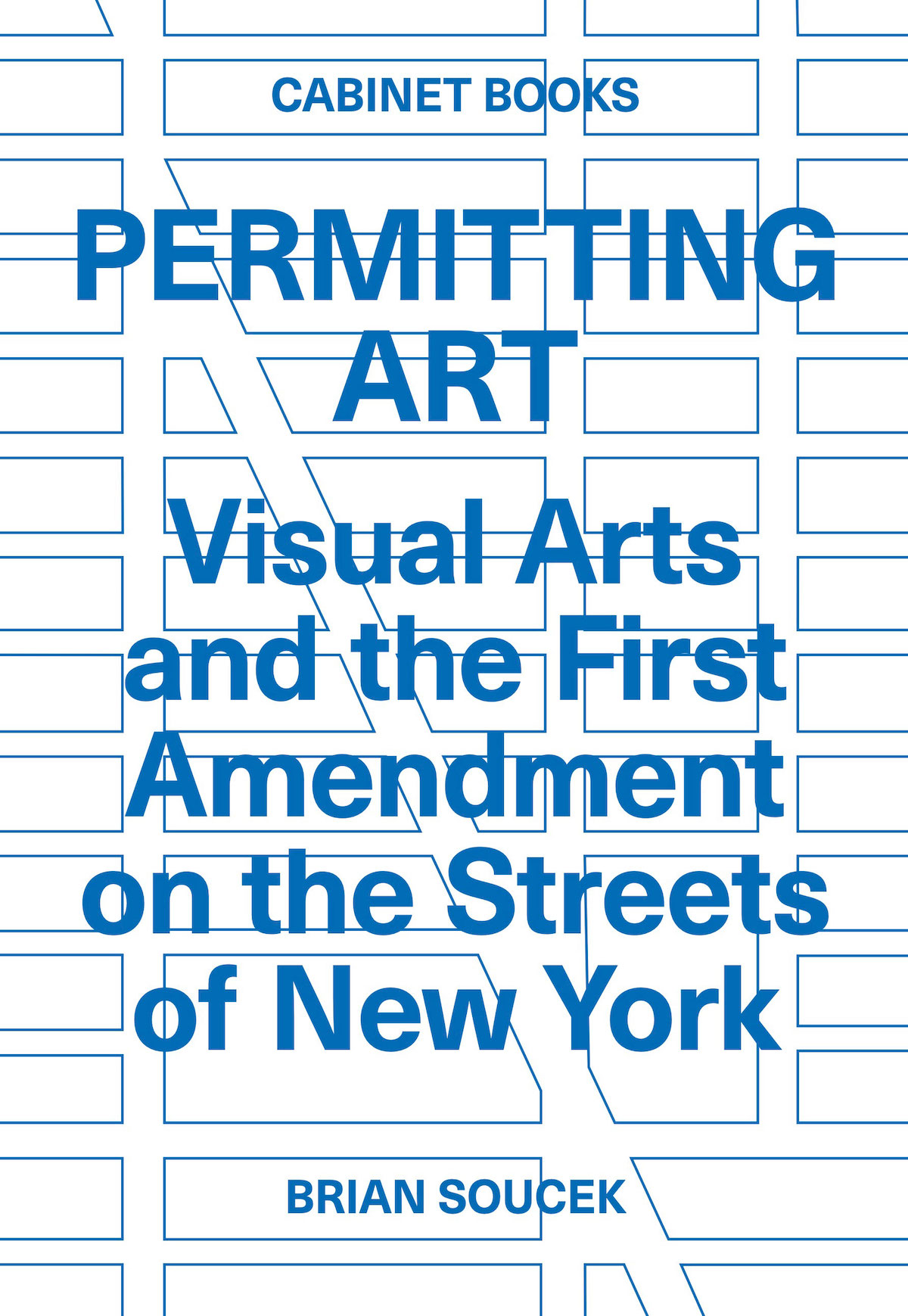
Permitting Art
by Brian Soucek
READ MORE
BOOKS
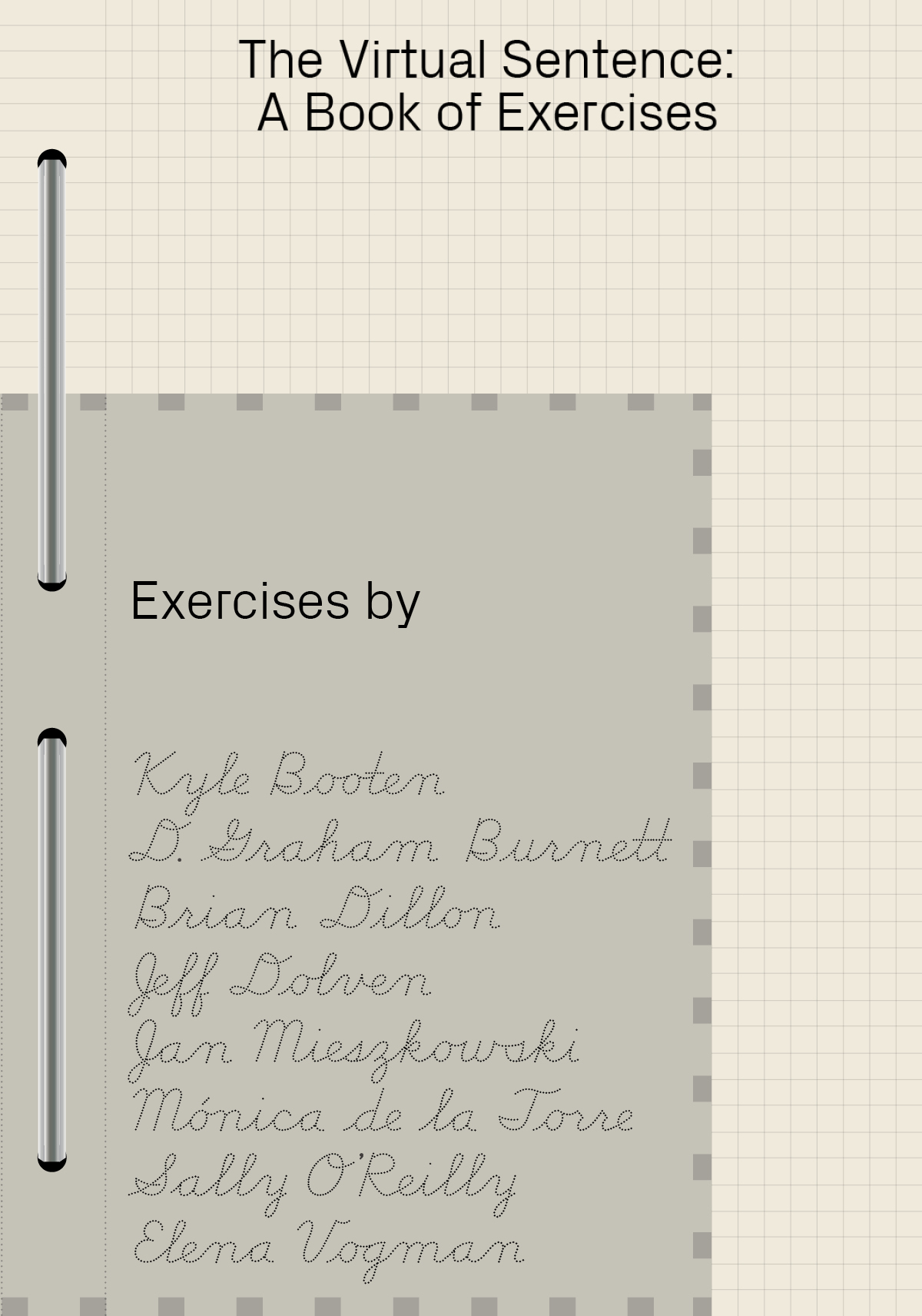
The Virtual Sentence: A Book of Exercises
by Kyle Booten, D. Graham Burnett, Brian Dillon, Jeff Dolven, Jan Mieszkowski, Sally O’Reilly, Mónica de la Torre, and Elena Vogman
READ MORE
KIOSK / 6 OCTOBER 2025
In Gaza Dies Your Western Dream
Alex Cocotas
Berlin, Palestine, and the writing on the wall
READ MORE
BOOKS
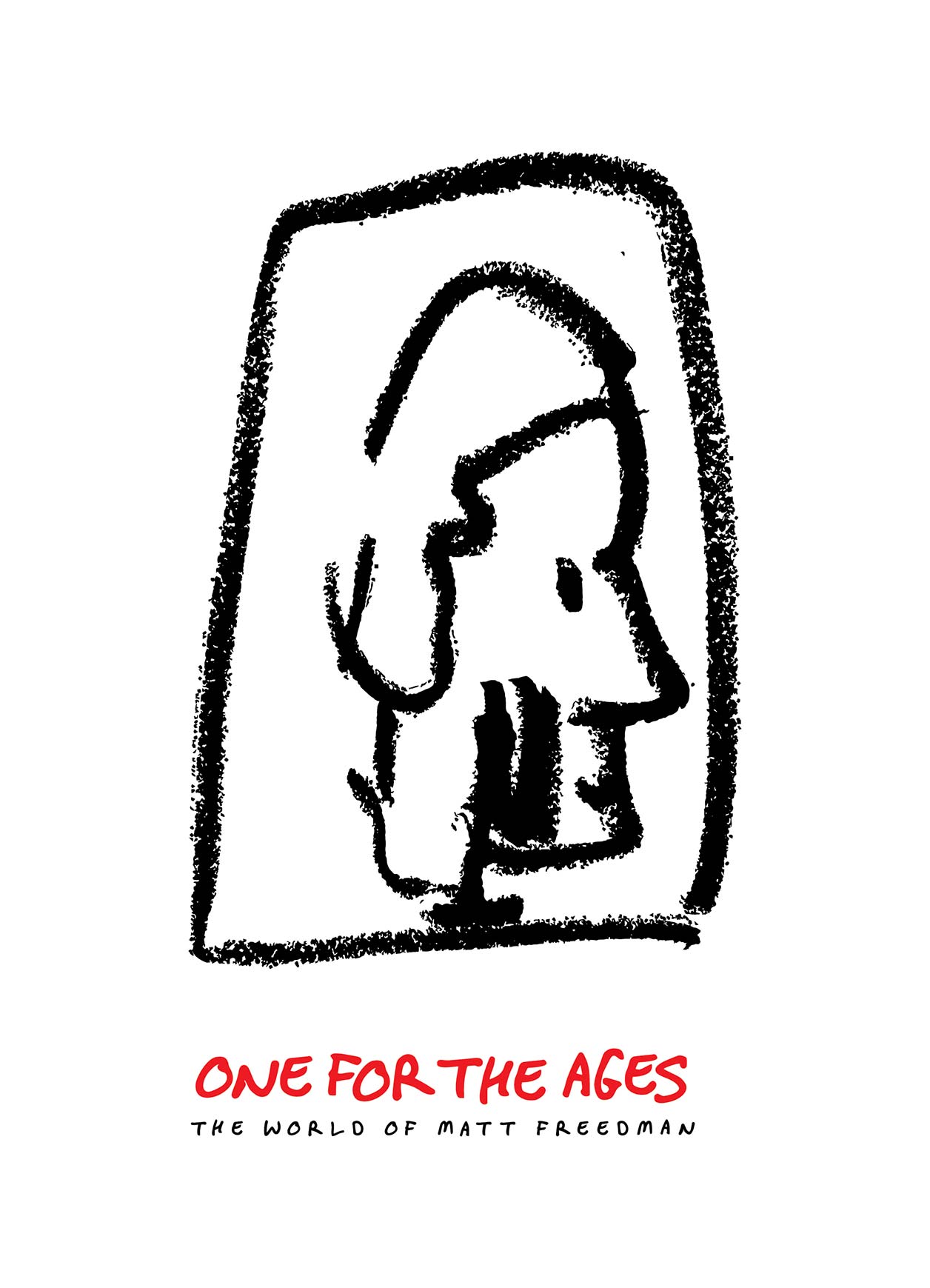
One for the Ages: The World of Matt Freedman
READ MORE
ISSUE 69
Artist Project / Anchor and Archive
Adam Broomberg and Rafael Gonzalez
The uprooting of Palestinian olive trees
READ MORE
KIOSK / 29 AUGUST 2024
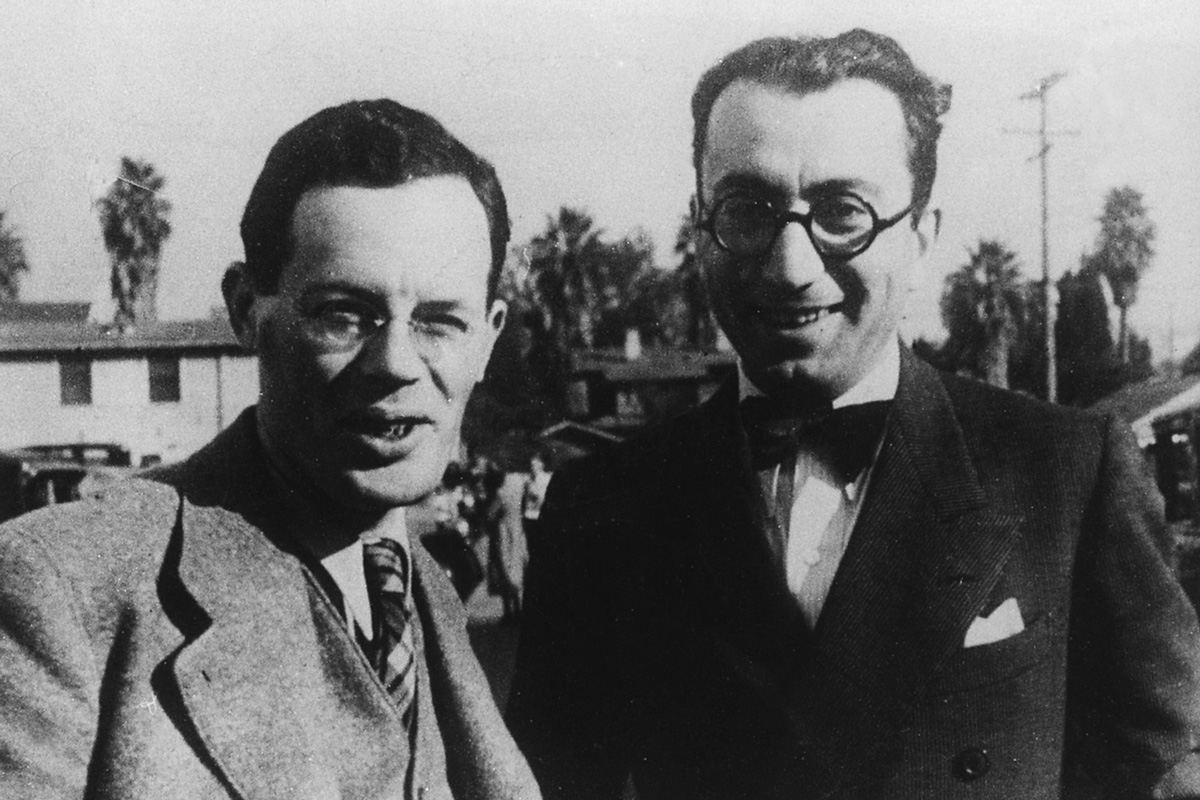
Kojève & Cigarettes
Hunter Dukes
Fact-checking American
Geist
READ MORE
ISSUE 69
The Business of Pleasure
Lisa A. Kirschenbaum
Ilf and Petrov’s adventures in Americana
READ MORE
KIOSK / 8 AUGUST 2024
Oblivion Culture
Sarah El Bulbeisi
Countering the German taboo on Palestinian trauma
READ MORE
ISSUE 71
Sapiens?
Hunter Dukes
The origins and obsolescence of an epithet
READ MORE
ISSUE 68
Light Devoured
Mats Bigert
From surrogate kings to sun shields
READ MORE
ISSUE 69
Love Lines
David Allen White
A suggestion on some letters of the Yukaghir
READ MORE
ISSUE 68
Hard Cases for a Handle Theory
Jeff Dolven
Chalk, soap, cigarettes
READ MORE
BOOKS
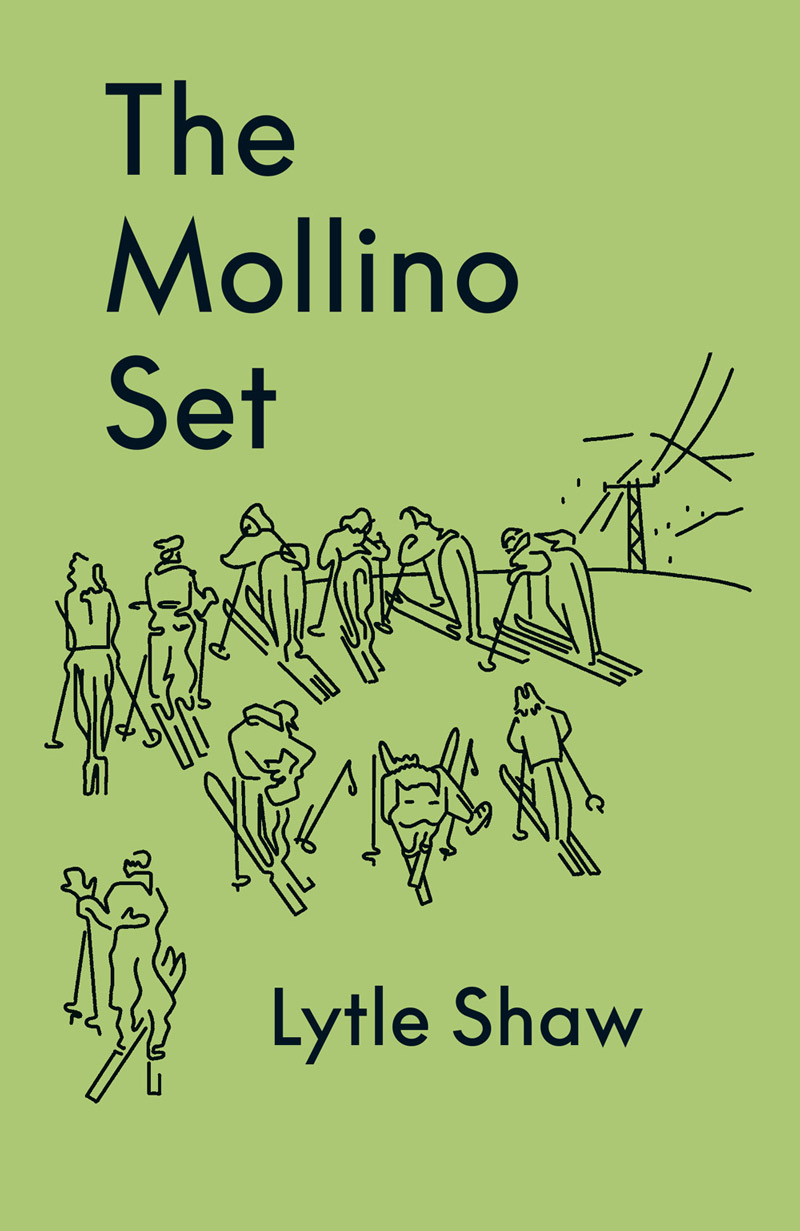
The Mollino Set
by Lytle Shaw
READ MORE