


The Barber Trial: Sivan vs. Finkielkraut
An analysis of the libel case
Thomas Keenan and Eyal Weizman
In February 2004, French-Israeli filmmaker Eyal Sivan filed a libel suit in the Paris courts against philosopher Alain Finkielkraut. The previous year, Sivan, working with Palestinian filmmaker Michel Khleifi, had released Route 181: Extracts from a Palestinian-Israeli Journey—a four-and-a-half-hour travel documentary tracing what remains, in the memories of the landscape and its inhabitants, of the violent expulsion in 1947–1948 of some three-quarters of a million Palestinians from the territory that would become the state of Israel. The film had been aired on the European cultural television channel Arte in November 2003, and a few days later, on November 30, Finkielkraut was interviewed on the French Jewish radio station RJC. In the radio broadcast, Finkielkraut launched an aggressive critique of the film, arguing that its entire meaning rested on a false analogy between Israel’s 1948 war of independence and the Nazi Holocaust, that the film was a “call to murder,” that Arte was guilty of “incitement to hatred,” and that Sivan himself was representative of a “particularly painful, particularly frightening reality—Jewish anti-Semitism.”
The case came to trial on 23 May 2006, and the official transcript of the proceedings at the Palais de Justice, Paris, is translated here in its entirety. The case revolved around witnesses, in the courtroom and in the film. To testify on his behalf, Finkielkraut called on the filmmaker Claude Lanzmann; historian and former Israeli ambassador to France, Eli Bar-Navi; and Anny Dayan, a cinema studies professor and pro-Israel activist based in Paris. Sivan called two left Israeli intellectuals: philosopher Adi Ophir, and film theorist Haim Bresheeth, as well as Parisian publisher/activist François Maspero, who established his radical publishing house against the background of the Algeria war.
Finkielkraut himself was the first witness, and having affirmed that he had indeed made the remarks in question, he produced a simple but forceful intertextual reading of the film in order to justify his critique. Route 181, he told the court, “rests entirely on an analogy between the fate of the Palestinians from 1947 to the present day, and the destiny of Jews under Nazism. It is a constant plagiarism of Lanzmann’s film.” Lanzmann’s film is, of course, Shoah, his 1985 nine-and-a-half-hour documentary oral history of the Holocaust.[1] Shoah introduced a new sensibility to documentary filmmaking—it rejected the use of archival footage and instead planted itself militantly in the present, in the ruins of the European camps, and in the voices and memories of the witnesses and participants, victims and, to a lesser extent, perpetrators. Shoah does not include a single archival frame.[2] It came to define what Lanzmann called a cinema of “transmission,” a visual strategy that did not simply privilege but relentlessly investigated the act and status of the eyewitness.
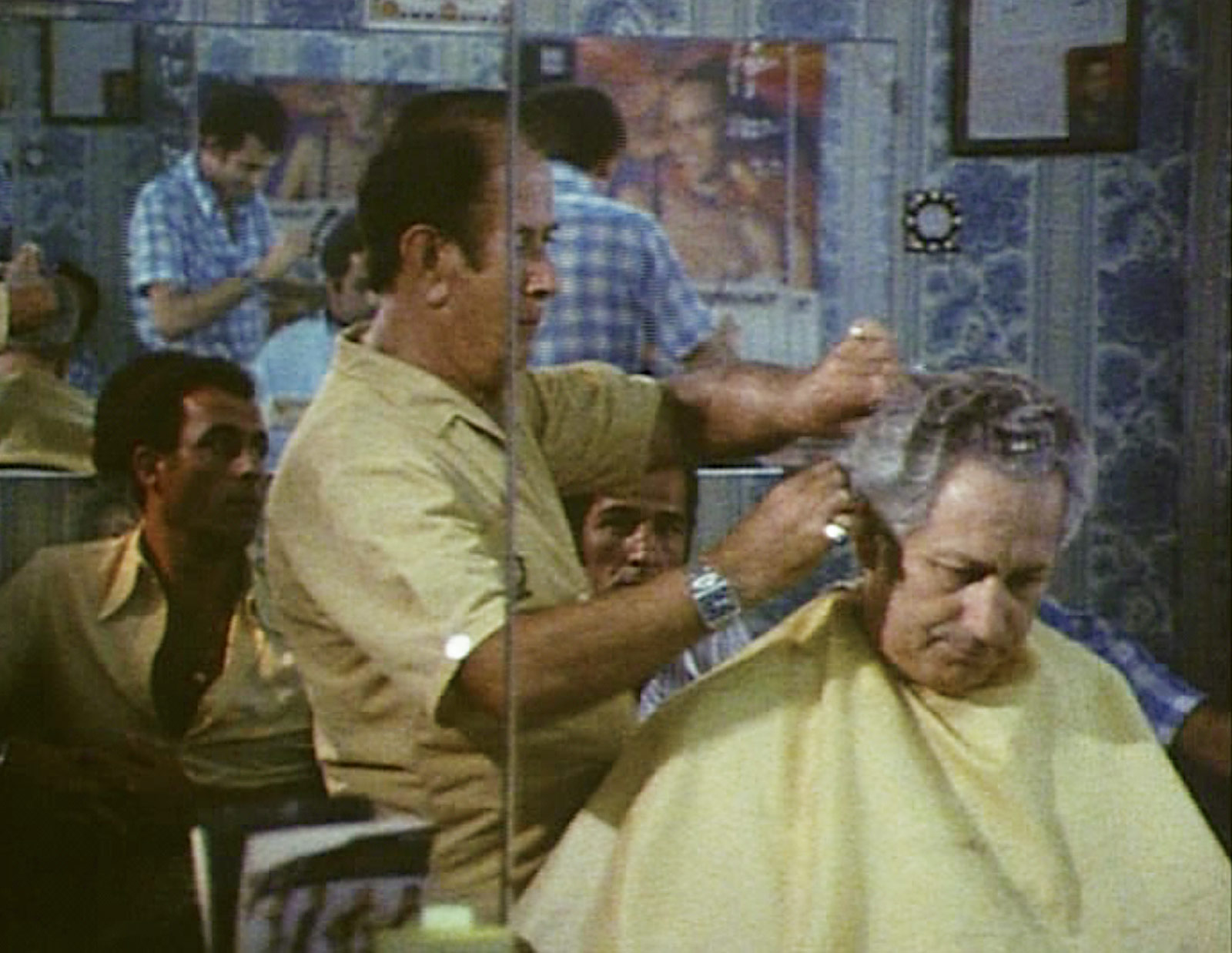
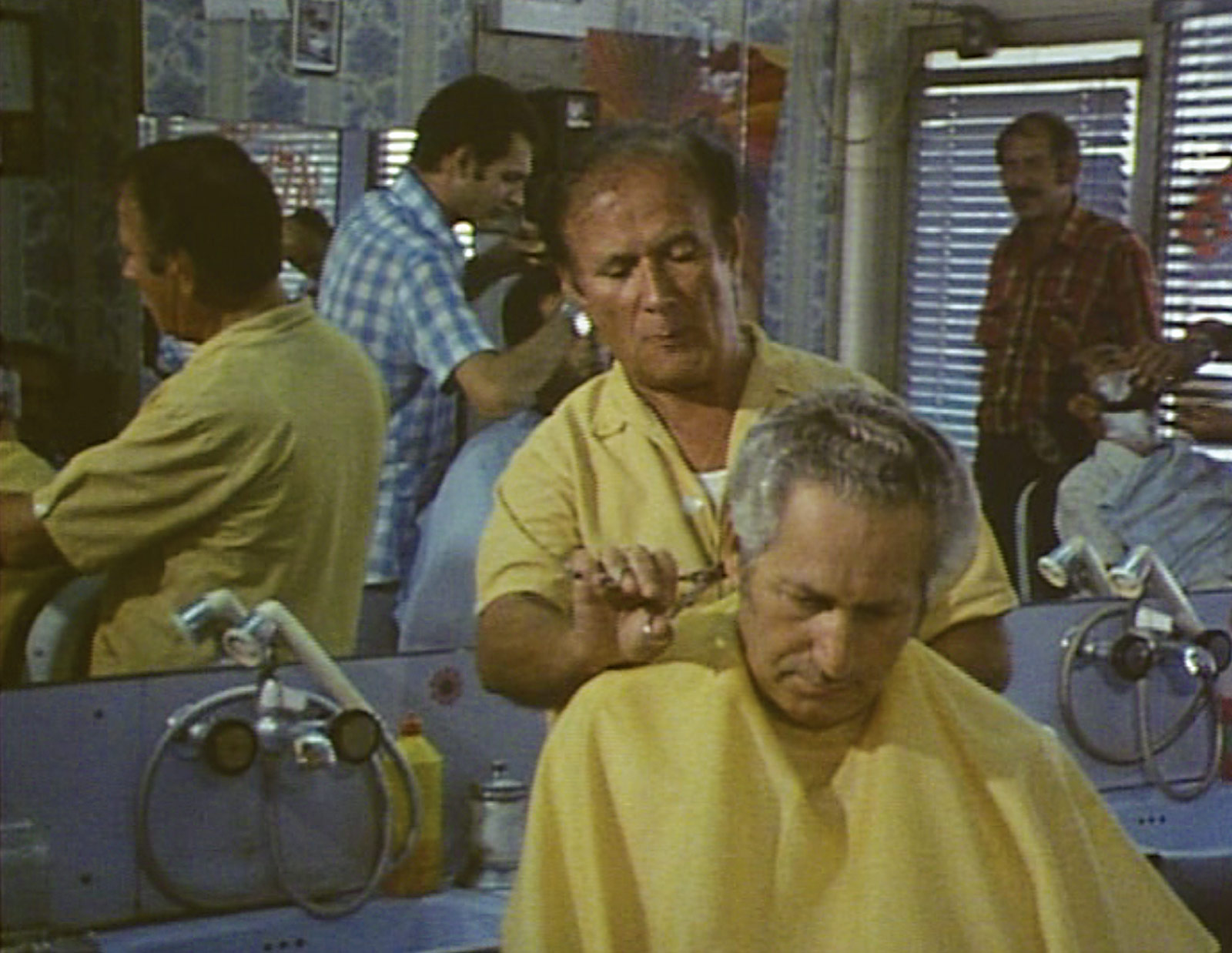
Finkielkraut’s accusation of plagiarism turned around a reading of one of Shoah’s most celebrated sequences, in which Lanzmann interviews a survivor named Abraham Bomba, whose task in the extermination camp of Treblinka was to cut the hair of Jews before they were led into the gas chambers. The interview, in which Lanzmann pushes Bomba to describe his work in the camp, is conducted as Bomba cuts the hair of one of Lanzmann’s production team in a Tel Aviv barbershop.
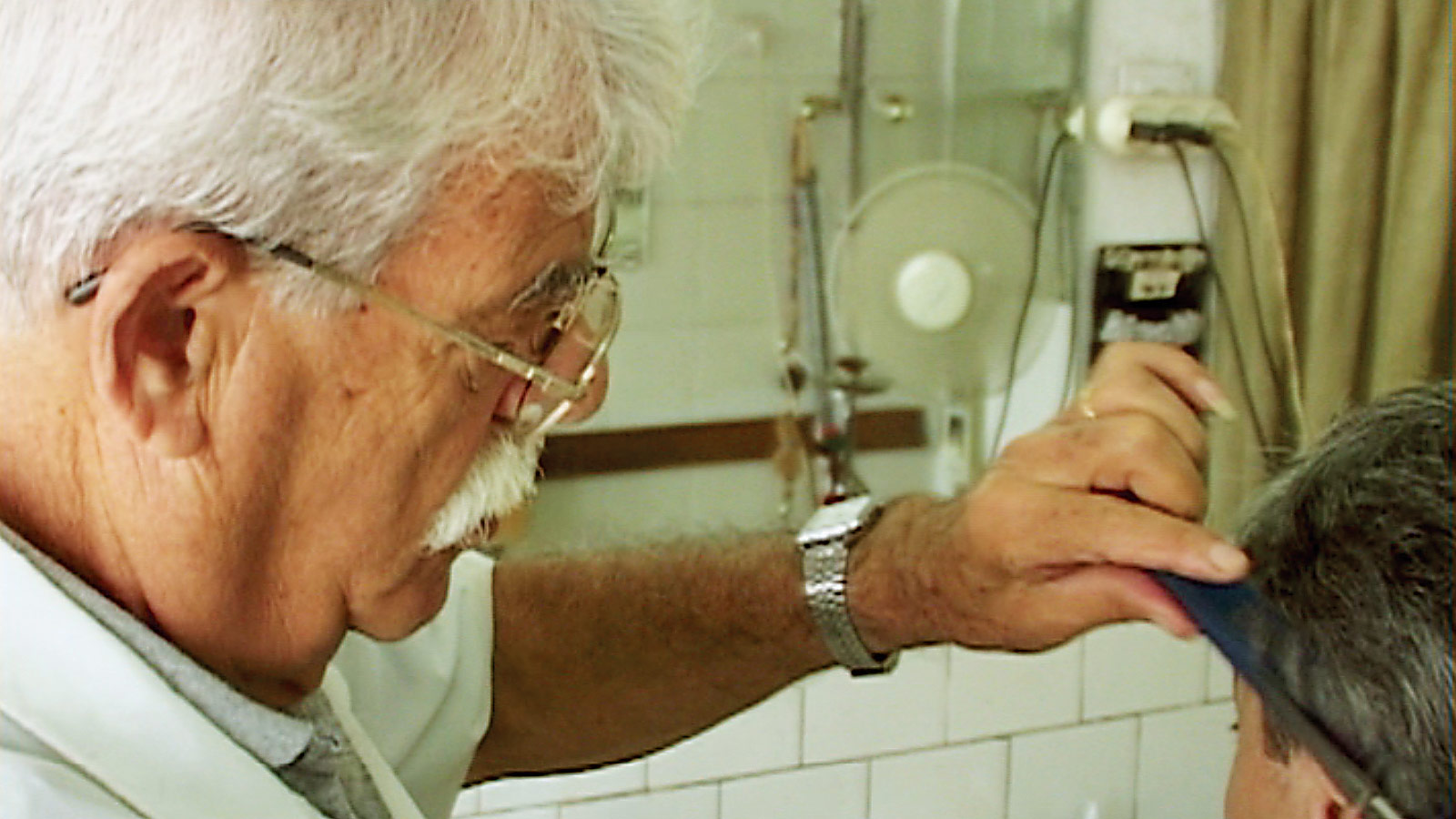
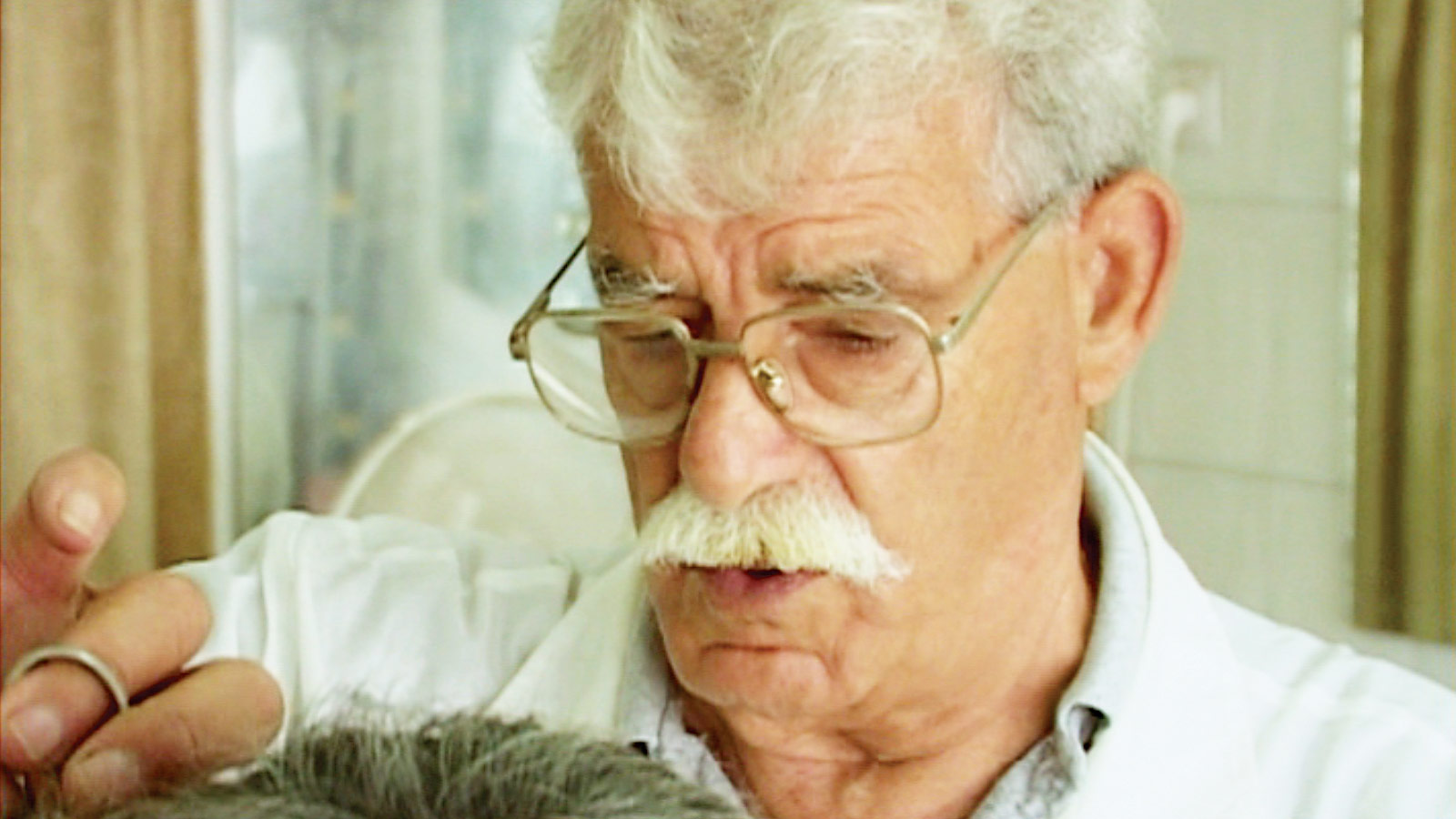
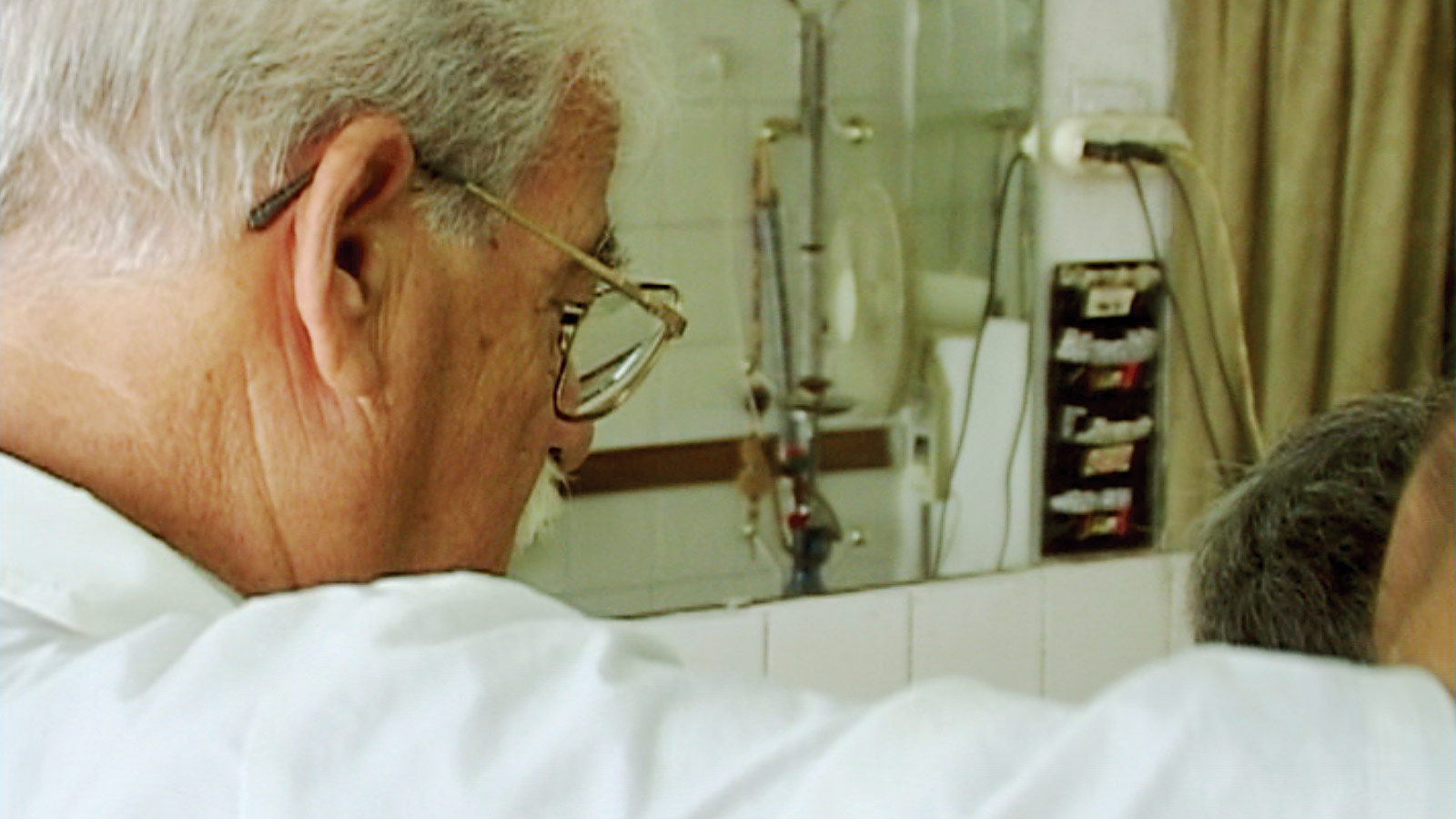
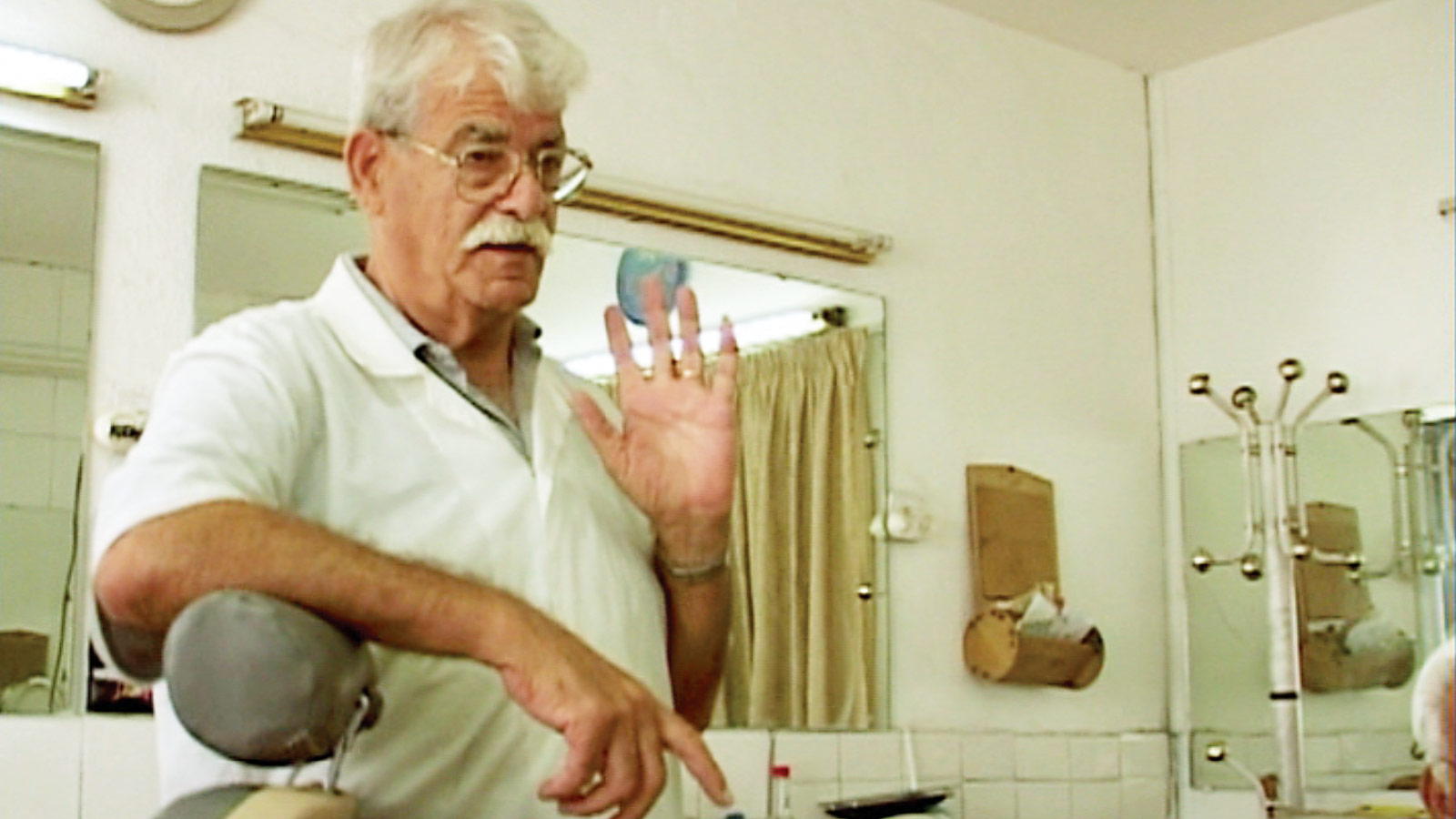
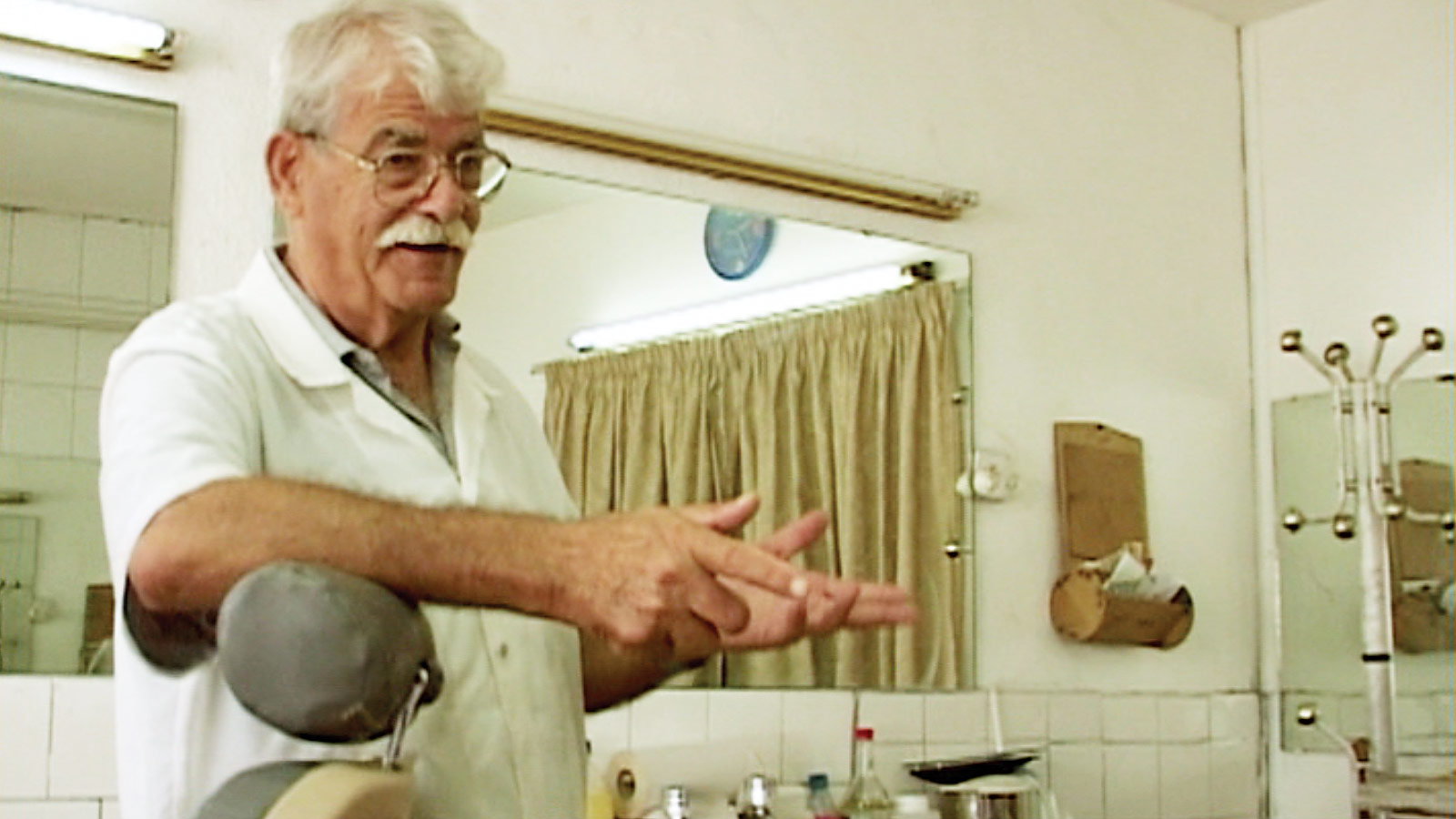
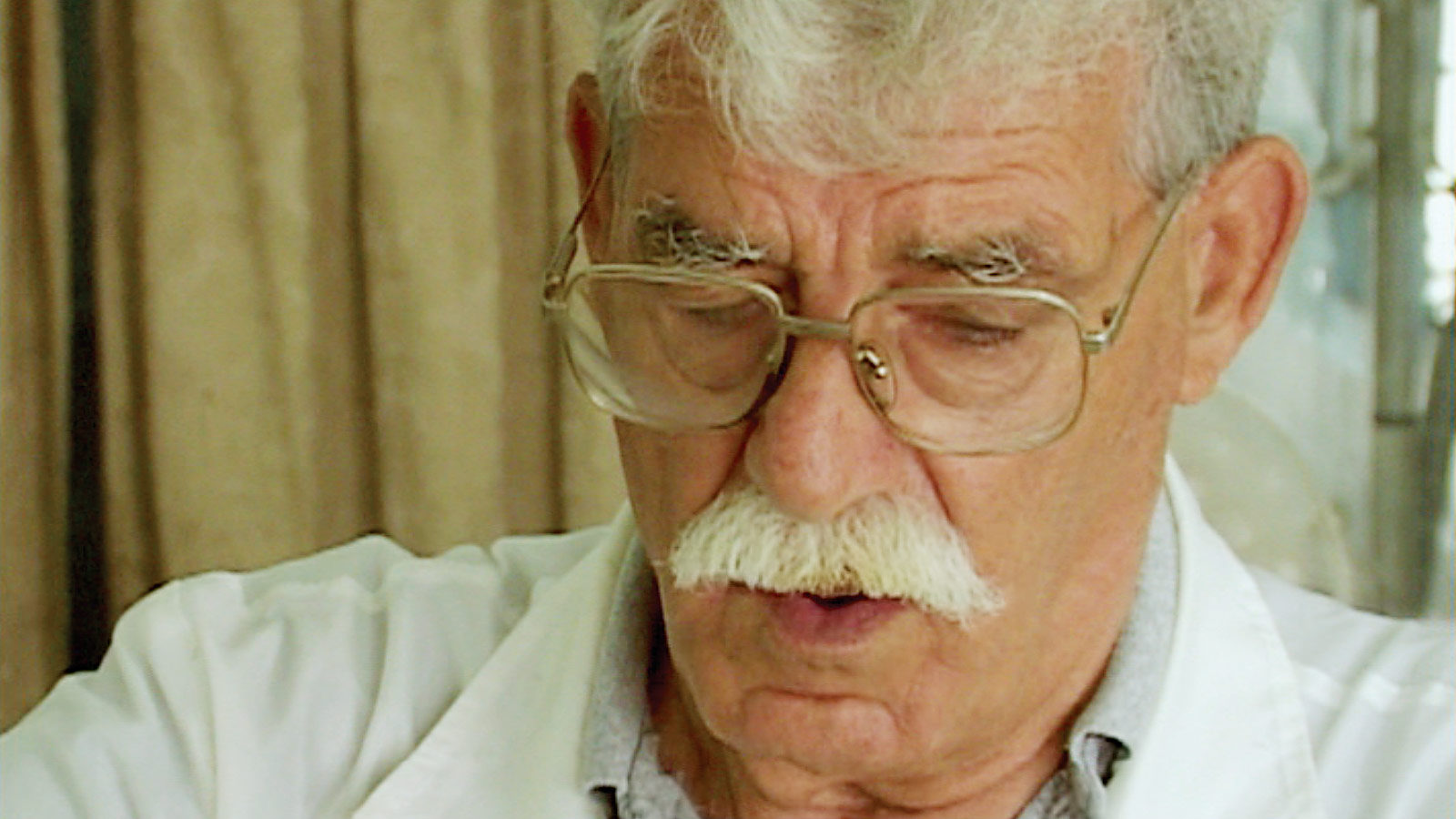
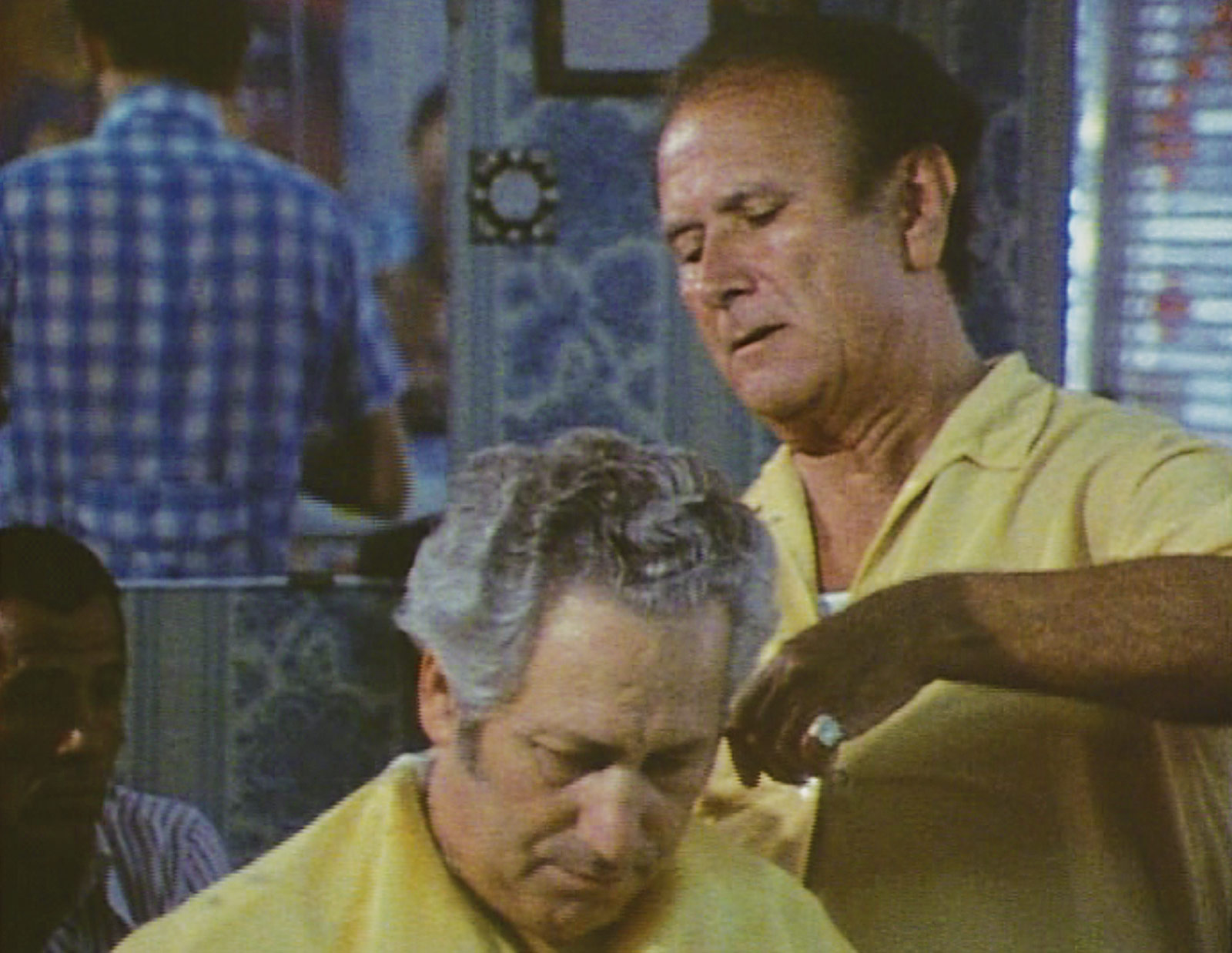
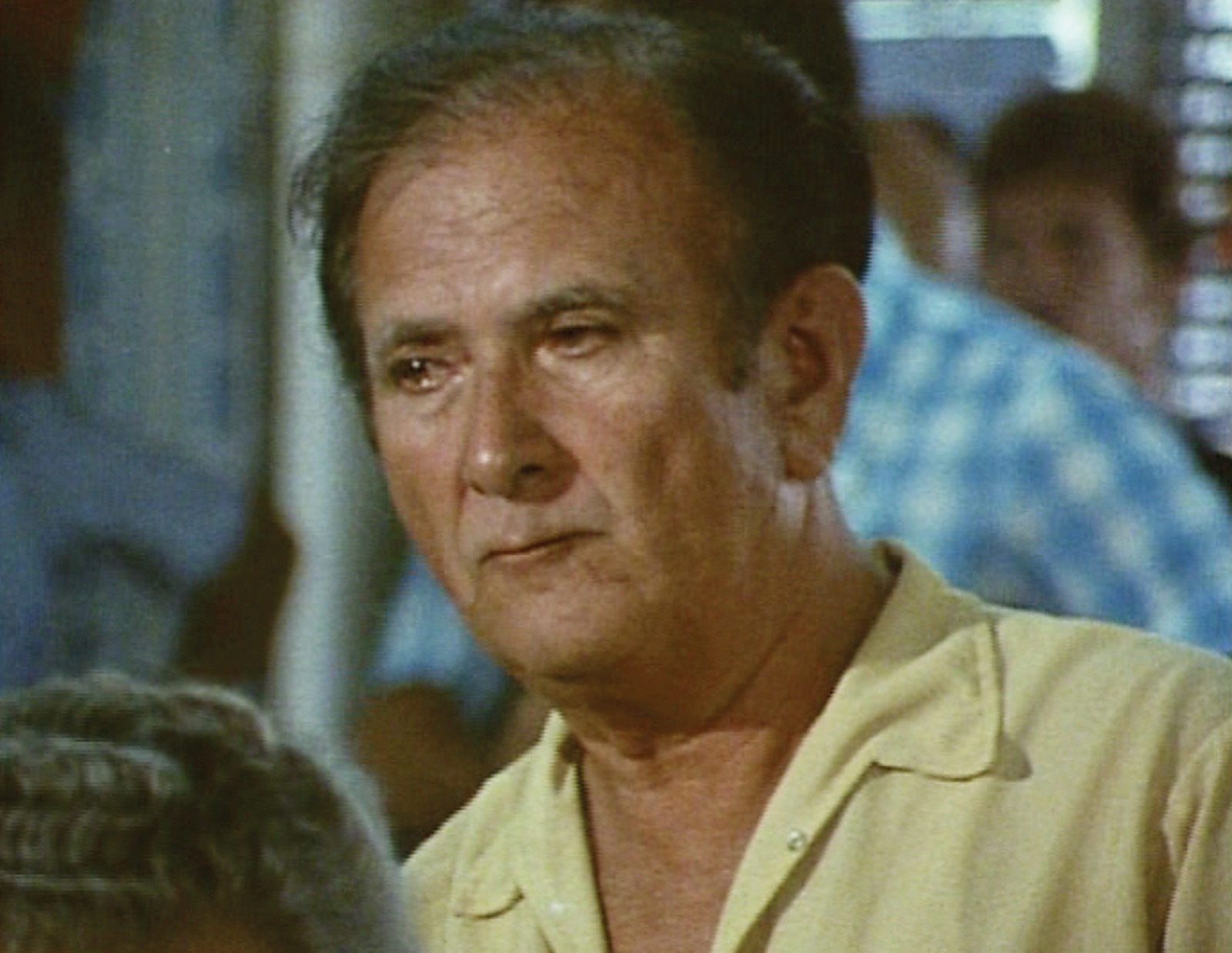
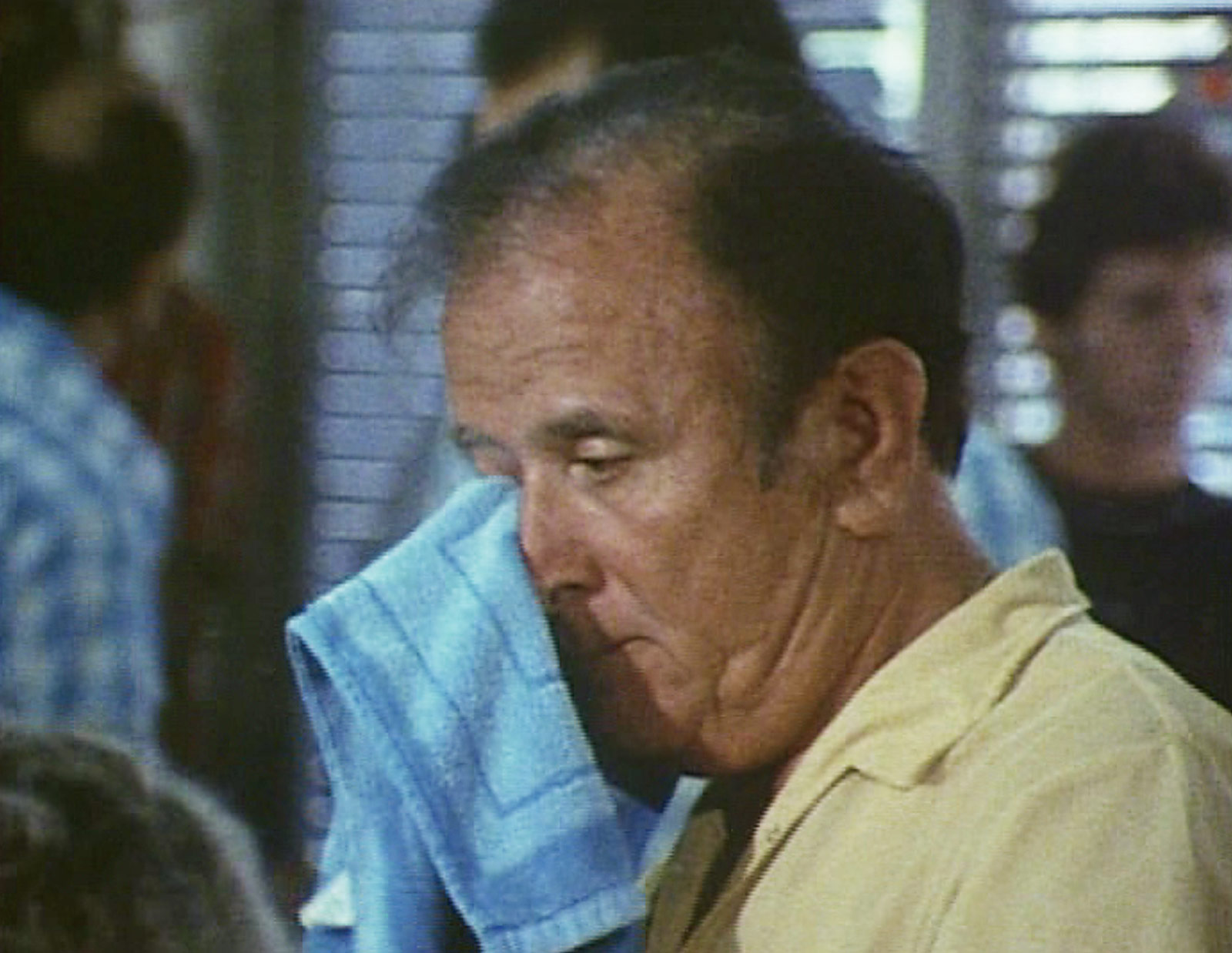
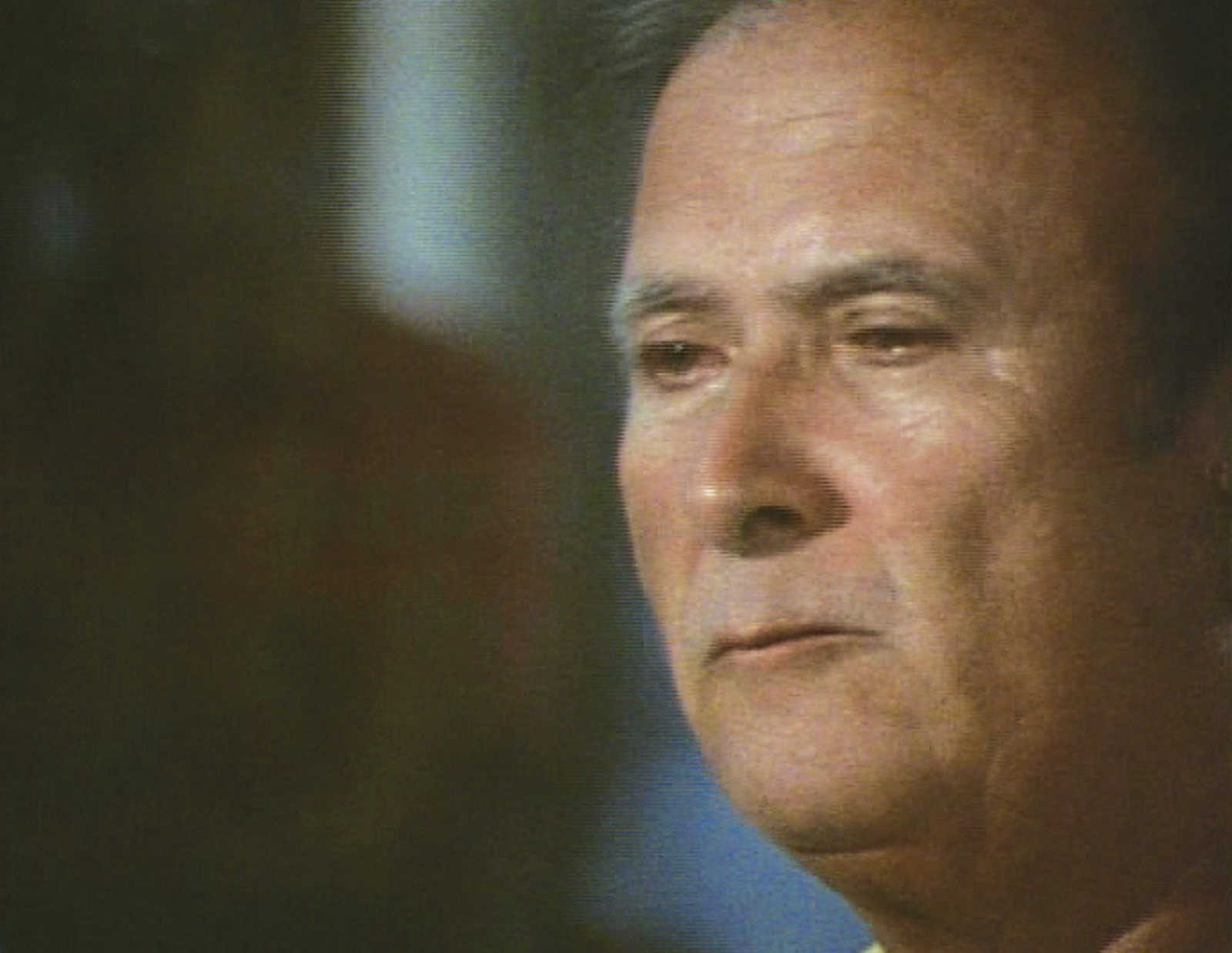
There is a barber in Route 181, too, and Finkielkraut is clearly correct that the scenes, and indeed the films, have a powerful relation. In Sivan and Khleifi’s film, a Palestinian barber in the former Palestinian town and now mixed city of Lod, near Tel Aviv airport, is filmed recounting the scene of a massacre that led to the expulsion of most of the town’s Palestinian residents in the summer of 1948. He speaks from his own active barbershop.
For Finkielkraut, though, the quotation is neither an act of homage, nor an ordinary intertextual reference, nor a challenging critique of one film by another, but a hint that the film is engaged in nothing less than the identification of the expulsion of the Palestinians (the so-called Naqba, or Catastrophe) with the Shoah, and hence a decisive delegitimation of Israel’s right to exist, and hence an incitement to the murder of Jews in Israel. Sivan and Khleifi had traveled and filmed along the route outlined in UN Resolution 181—which called in November 1947 for the partition of British Mandatory Palestine into convoluted and non-contiguous Jewish and Palestinian states—and the film explores what remains of Palestine in today’s Israel. In criticizing and rejecting the politics of partition, Route 181 resurrects political ideas originating in the 1930s and implicitly advocates a federal, multi-, or binational, single democratic state with equal citizenship for both Arabs and Jews within Mandatory Palestine. For Finkielkraut, promoting the liberal idea of a single state for Arabs and Jews embodies nothing less than “a genocidal intention to kill if not all then most of the Jewish Israelis.” Finkielkraut repeated this accusation throughout the trial, claiming “a murderous logic is at work in this film.”[3]
The nature and intensity of Finkielkraut’s accusations is typical of a certain current of discourse on Israel among liberal-right French intellectuals. Since the 1980s, Finkielkraut in particular has had a special inclination to accuse the “pro-Palestinian” French left of anti-Semitism[4] and, more recently, to charge multiculturalist or tolerant discourses about race with responsibility for the riots in France’s immigrant-rich banlieues.[5]
Finkielkraut’s attack came in the context of a series of attempts to stop Route 181 from being shown in France. In one of these cases, Jewish-French intellectuals and Israeli representatives successfully lobbied the Pompidou Center against screening Route 181 in its 2004 Festival Cinéma du réel, purportedly because of the recreation (“plagiarism”) of the barber scene. More then six hundred people, including Jean-Luc Godard, Tzvetan Todorov, and Étienne Balibar signed a petition protesting this censorship. The film has been shown a number of times in Israel.
Although Nicolas Bonnal, the presiding judge at the trial, rejected Finkielkraut’s conflation of criticism of Israel with anti-Semitism, he dismissed Sivan’s petition, based on the argument that Finkielkraut’s attack was part of a legitimate political disagreement. In the wake of the trial, Arte decided to cease commissioning films from Sivan on Middle East affairs, and he lost as well his teaching position at CLEMI (French Ministry of Education’s center for information media). Sivan appealed the decision in February 2007 and the verdict was pending as this magazine went to press.[6]
• • •
We asked Sivan about Shoah, the barbers, partition, and history. For him and Michel Khleifi, he explained, it was not a matter of “comparing” the Shoah and the Naqba, as if they were discrete entities that required outside intervention to be brought together. Rather, he told us, they should be seen as historically continuous and contiguous, part of a single historical process extending across the decade between 1938 and 1948. Like Lanzmann, his emphasis in investigating the apparently bygone past by means of its living witnesses was to restore it to its rightful place in our present—the Palestinian catastrophe, for him, is still ongoing. “It is shocking for a Frenchman, but frequently evoked in Israel,” said Sivan. “For an Israeli Zionist poet like Avot Yeshurun, it was possible to say that ‘these two holocausts together, are the Holocaust of the Jewish people.’ The Naqba of the Arabs of Palestine and the Shoah of European Jews are two sides of a single Holocaust—ours…”The strength of Route 181 is in providing an oral history of the forgotten Naqba, in presenting scores of conversations with Israelis and Palestinians, and in unearthing stories repressed for decades. The film powerfully demonstrates Israelis’ willing ignorance of and ongoing complicity in the suffering of Palestinians and the denial of their national rights—and, paradoxically, their often remarkable recall of the events of 1948, their former Palestinian neighbors, and the intense proximity of their lost life together.
In its filmic language and its relation to witnessing and testimony, Route 181 is a worthy successor to Shoah, charting a significant shift in the relation between memory, responsibility, and history. That, for Sivan, is what is at stake in the barbershops. “Abraham Bomba was staged! He was no longer a barber when he was interviewed, and three times during the interview he begs Lanzmann to stop. But Lanzmann believes that it is the victims who should bear the ‘duty of memory.’ I believe that this duty should be the perpetrators’.”
Of course, Lanzmann interviewed perpetrators and not-entirely-innocent bystanders as well, and famously argued that the intent of Shoah was not to ask why (an “obscene” question, he wrote) but rather to lay out how the mass murder happened. Sivan—who had earlier, with Rony Braumann, re-edited the footage of the 1961 Eichmann trial into a powerful portrait of the banal professional “specialist”—radicalizes this pursuit, with an unexpected outcome. He told us that his project was “to treat the actors in a crime as bearers of the capacity both to witness and [to] reflect on it, and as the ones who have a ‘duty of memory.’ In the Israeli case, I am interested both in their memory of the land (before 1948) and their actions. What is surprising is to notice to what extent the analogy with the Nazi genocide existed already during the 1948 event—it was only three years after the end of the Second World War. It throws a completely new light on the myth ... that memory can be a vaccine against future crimes.”
Sivan also drew our attention to the power of the camera, or rather, to the power of speaking before a camera. We asked whether his interviews aimed to produce a reflection or even a transformation in his witnesses, or simply to document their recollections, justifications, evasions. Did he want them to accept their responsibilities? He reminded us: “In the case of the Israelis, I am as responsible as they are. … I was very interested in trying to follow the structure of the discourse as a starting point for opposing it. So I was not interested just in statements but in a process of thinking. This is what the documentary camera can and even should try to do. ... The articulation of an argument in front of the camera allows the witness to think and reflect on the event, sometimes for the first time since it took place! Let’s not forget that while undertaking a collective crime, people think that they are thinking, while in fact they are merely repeating the discourse of power.”
“I am as responsible as they are.” It is the very possibility of acknowledging the continuity between the Shoah and the Naqba that would, for Sivan, establish the condition for sharing a single democratic state between Jews and Palestinians. “The problem is that we Israelis must take responsibility for the deeds of our parents, deeds for which they refused to take responsibility. In the eyes of Lanzmann or Finkielkraut, if they acknowledge the crime of 1948, then Israel does not have the right to exist.” Sivan speaks instead as one who accepts that right, but differently—as a citizen. “The existence of the Israelis is careless for them, they need Israel as a concept, a shelter, an insurance company. They do not have the relation of citizens to this state, but a relation of ‘share holders’ or ‘members of a religion.’ ... For them, to acknowledge the crime is to de-sacralyze the State which replaced their Jewish identity.” For the citizen, he said, the experience of the partition and its remainders, the proximity of proximity and separation, can only issue in a sense of the inevitability of sharing: “We share the history of the land, we share a memory of the Naqba/Independence, we share a destiny. This is a basis for thinking equality.”
The authors would like to thank Haim Bresheeth and Adi Ophir for sharing their reflections on the trial.
For the English translation and French transcript of the original trial, see here.
This article and accompanying transcript of the trial are published as part of Cabinet‘s contribution to Documenta 12 magazines, a collective worldwide editorial project linking over seventy print and online periodicals, as well as other media. See Documenta 12 for more information.
- The film is part of a trilogy: Pourquoi Israel (1973), Shoah (1985), and Tsahal (1994).
- In his seminar on Shoah at Yale in 1990, Lanzmann remarked: “…if there had been—by sheer obscenity or miracle—a film actually shot in the past of three thousand people dying together in a gas chamber…I would have preferred to destroy it.” For a transcript of this seminar, see “Seminar With Claude Lanzmann, 11 April 1990,” Yale French Studies, no. 79 (1991), pp. 82–99. Jean-Luc Godard criticized Lanzmann for “iconophobia.” Shoah, according to Godard’s well-known response, “showed nothing at all.”
- Another repeated theme in the film is the Judgment of Solomon. The filmmakers make the analogy to the Arab rejection of the 1948 partition of Palestine, explaining that those who rejected the partition of the baby/land must be its true mothers/inhabitants.
- In 1987, in a manner similar to Hannah Arendt’s Eichmann in Jerusalem, Finkielkraut covered the trial of Klaus Barbie, head of the Gestapo in Lyon, later publishing the book Remembering in Vain, which argues against the defense of Barbie by a team of French lawyers lead by Jacques Vergès. Vergès argued that the Nazi crimes were no different in nature from those committed by French imperialism, and thus the French courts were in no position to try Barbie. Nabil Bouaita, an Algerian lawyer, and Jean-Martin M’Bemba, a Congolese lawyer, joined the defense team. “Does crime against humanity only force emotion or merit commemoration if it hurt Europeans?” Vergès asked. M’Bemba gave an account of how eight thousand Africans died building 140 kilometers of railway in French colonial Africa. Bouaita discussed Sabra and Shatila.
- In an interview with the Israeli newspaper Haaretz, Finkielkraut predicted that “anti-racism will be to the twenty-first century what communism was to the twentieth.” On a different occasion, he stated that France’s footballers had been “black, white, and Arab” in 1998, but were now “black, black, and black.” See Dror Mishani and Aurelia Smotriez, “What Sort of Frenchmen Are They?” Haaretz, 17 November 2005.
- Testifying for Finkielkraut in the appeal stage was Bernard Henri-Lévy, as president of the supervision committee of Arte. Dominique Vidal of Le Monde Diplomatique testified on behalf of Sivan. For more on Vidal’s rejection of the equation of critiques of Israel with anti-Semitism, see his “Les pompiers pyromanes de l’antisémitisme,” available at Le Monde Diplomatique.
Thomas Keenan teaches human rights, media, and literature at Bard College. He has written Fables of Responsibility (Stanford University Press, 1997), edited New Media, Old Media (with Wendy Hui Kyong Chun, Routledge), and should be finishing a book on war, crisis, and media.
Eyal Weizman, editor-at-large of Cabinet, is an architect and director of the Centre for Research Architecture at Goldsmiths College, University of London. His new book, Hollow Land, has recently been published by Verso.
Spotted an error? Email us at corrections at cabinetmagazine dot org.
If you’ve enjoyed the free articles that we offer on our site, please consider subscribing to our nonprofit magazine, which includes unlimited access to all our archives.