featuring Brad Bolman, Yanie Fécu, Catherine Hansen, Ara Merjian, Indiana Seresin, Matthew Spellberg, and more
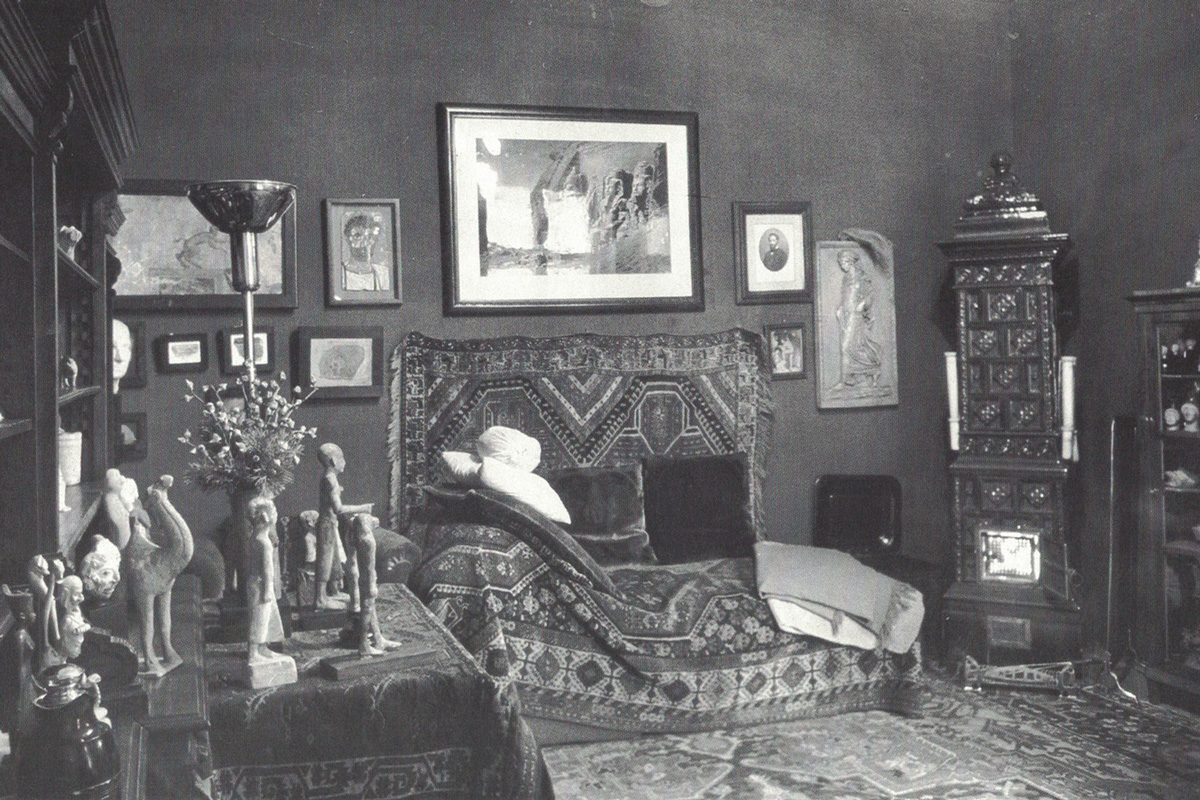
Among certain philosophers it is a commonplace that dreams are radically private, that no one can follow you into them. A fragment from Heraclitus distills the problem: “The universe for those who are awake is single and common, while in sleep each person turns aside into a private universe.” Hegel, commenting on this same fragment, says that “the dream is a knowledge of something of which I alone know.” ...
READ MOREAll forms of exchange necessarily depend on differences in voltage.
—Fernand Braudel
The history of digital cash consists of scientific discoveries from the 1970s, hardware from the 1980s, and networks from the 1990s, shaped by theories from the previous three centuries and beliefs about the next ten thousand years. It speaks ancient ideas with a modern twang, as we might when we say “quid pro quo” or “shibboleth”: the sovereign right to issue money, the debasement of coinage, the symbolic stamp that transfers the rights to value from me to thee. ...
READ MOREUnlike scent hunters, the greyhound is a “sight” hound, liable to chase anything it sees. “See’st thou the gaze-hound!” wrote poet Thomas Tickell, “how with glance severe / From the close herd he marks the destin’d deer!” This disposition was key to the emergence of greyhound racing, which assumed its modern guise in 1919 when Owen Patrick Smith introduced a mechanical lure called the “electrical rabbit” at a new track in Emeryville, California—the first such venue in the United States. ...
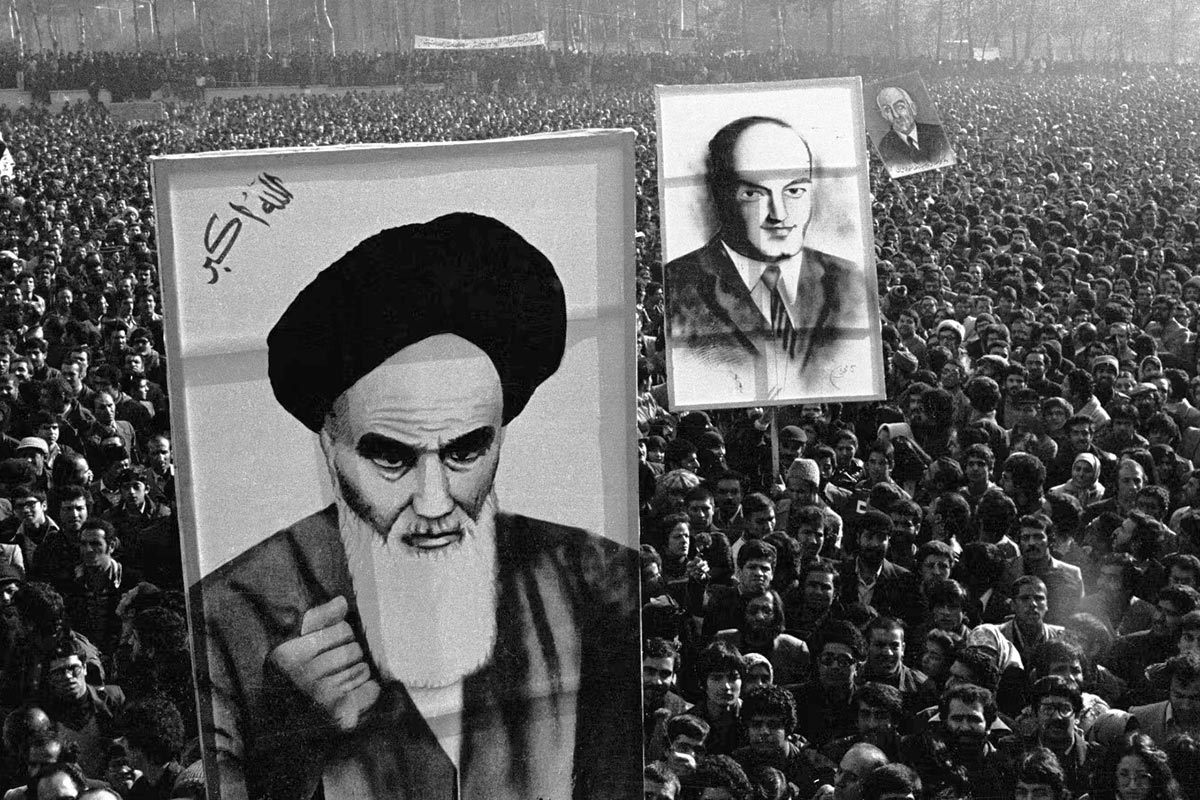
READ MOREIn her 2006 feature film My Country, My Country, Laura Poitras documents the immense amount of work that goes into the appearance of an election’s legitimacy. The election in question was for the Iraqi parliament in 2005, the first since the US occupation in 2003. For the US military planners and UN officials, legitimacy was paramount. And yet, regardless of context, the project of self-rule—or, rather, its appearance—never ceases to face this challenge. “This is what democracy looks like” becomes “This is what legitimacy looks like.” ...
READ MOREErnest Thompson Seton, the English-born pioneer of outdoor education who cofounded the Boy Scouts of America, spent his adult life in a juvenile world of his own invention. The son of a selfish and abusive father, he found escape in playing Indian, a pastime he later celebrated in the wildly popular 1903 book Two Little Savages: Being the Adventures of Two Boys Who Lived as Indians and What They Learned. The book begins by describing a character with striking similarities to Seton himself: “Yan was much like other twelve-year-old boys in having a keen interest in Indians and in wild life, but he differed from most in this, that he never got over it. Indeed, as he grew older, he found a yet keener pleasure in storing up the little bits of woodcraft and Indian lore that pleased him as a boy.” ...
READ MOREOne of the more difficult parts of raising a Black child in the United States of America—and it bears mentioning from the beginning that the joys are innumerable—is the question of where they will go to school. Most of us know, through both memory and a wealth of empirical data testifying to this difficult truth, that the classroom is a battleground. It is a site of suffering. It is, in the first instance, a space wherein our hair, our diction, our social practices and modes of cognition are denigrated as a matter of institutional mission and everyday protocol. ...
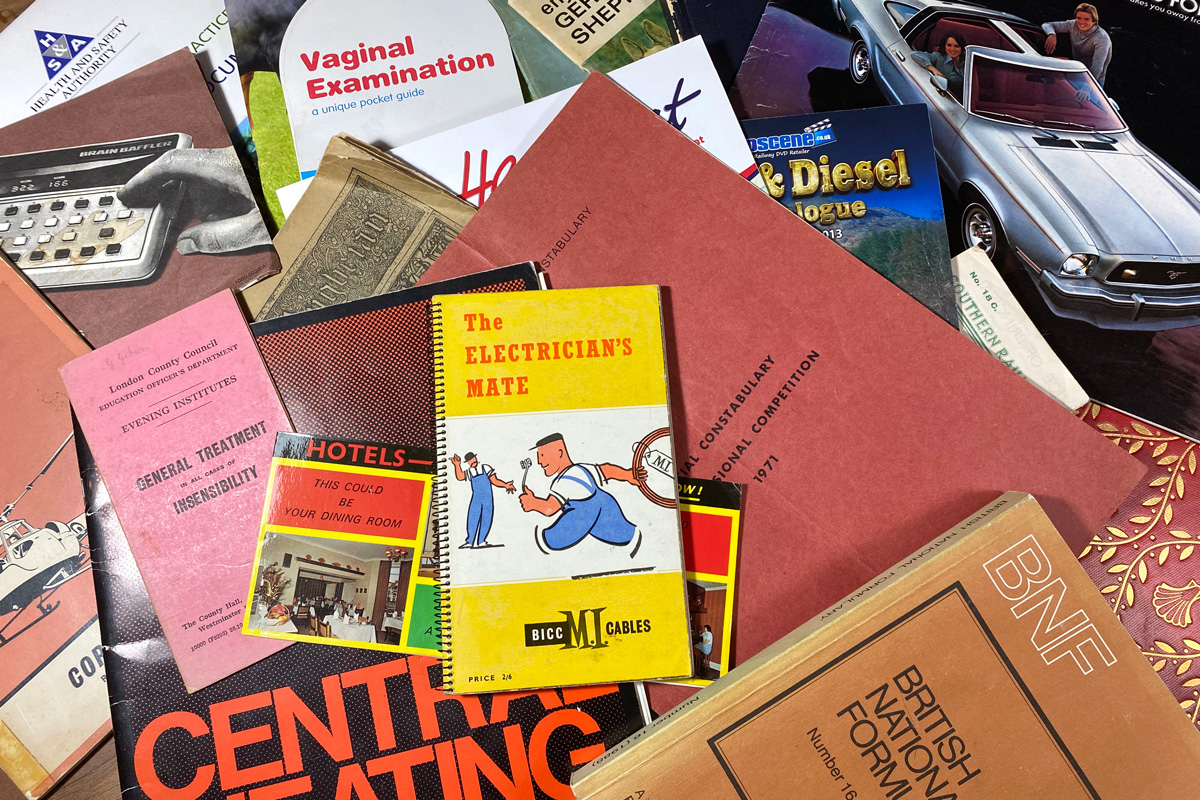
READ MOREPopular in Europe since antiquity, books of dream interpretation—commonly referred to as dream dictionaries or, more simply, dream books—were first published in the United States in the latter half of the eighteenth century. Initially indistinguishable from those published contemporaneously in Great Britain, American dream books came into their own during the early to mid-nineteenth century, when publishers of cheap literature began selling dream books that catered to players of policy, an illegal lottery game then sweeping Northeastern cities. ...
READ MOREThe Violent Crime Control and Enforcement Act, signed into law by Bill Clinton in 1994, is widely considered to be the capstone in the architecture of American mass incarceration. Among its many harsh provisions was a measure forbidding prisoners from receiving Pell Grants, the most important form of debt-free aid the government offers for higher education. Until 1994, there had been hundreds of college programs operating in the nation’s prisons. ...
READ MORE
e-flux.com
Climate is to a country what temperament is to a man—Fate.
—Helen Hunt Jackson, Glimpses of Three Coasts
In the spring of 1602, Basque merchant Sebastián Vizcaíno was sent on a mission to map the California coast for Spain. Several months later, he and his crew docked in a placid bay he named San Diego and some of them went ashore to explore the foreign terrain. There, they encountered an astonishing woman who looked “more than one hundred and fifty years old.” ...
READ MOREThe political contours of the early modern Black abolitionist movement were shaped by Frederick Douglass, Harriet Jacobs, Olaudah Equiano, Harriet Tubman, and countless others in their everyday forms of resistance, and politically enunciated in the flashpoints of rebellions, uprisings, and insurgency against the violence of racial slavery. Abolitionist solidarity in the early period fractured along the fault lines of the political antagonism of anti-blackness. This chasm between abolitionist camps was the result of an incommensurable parallax. ...
READ MOREThese days I get anxious in the cemetery when I see people having picnics and doing yoga, though I wonder if the dead don’t mind. I think maybe the dead are grateful for the children feeding ducks in the pond, climbing over their headstones, playing on the mausoleum benches without fear. Happy to be seen not as toxic or terrifying but as present, gentle, loved. I don’t know. ...
READ MORE